
Natalia Ghilascu’s Investigative Documentary Gives Voice to Forgotten Roma Survivors
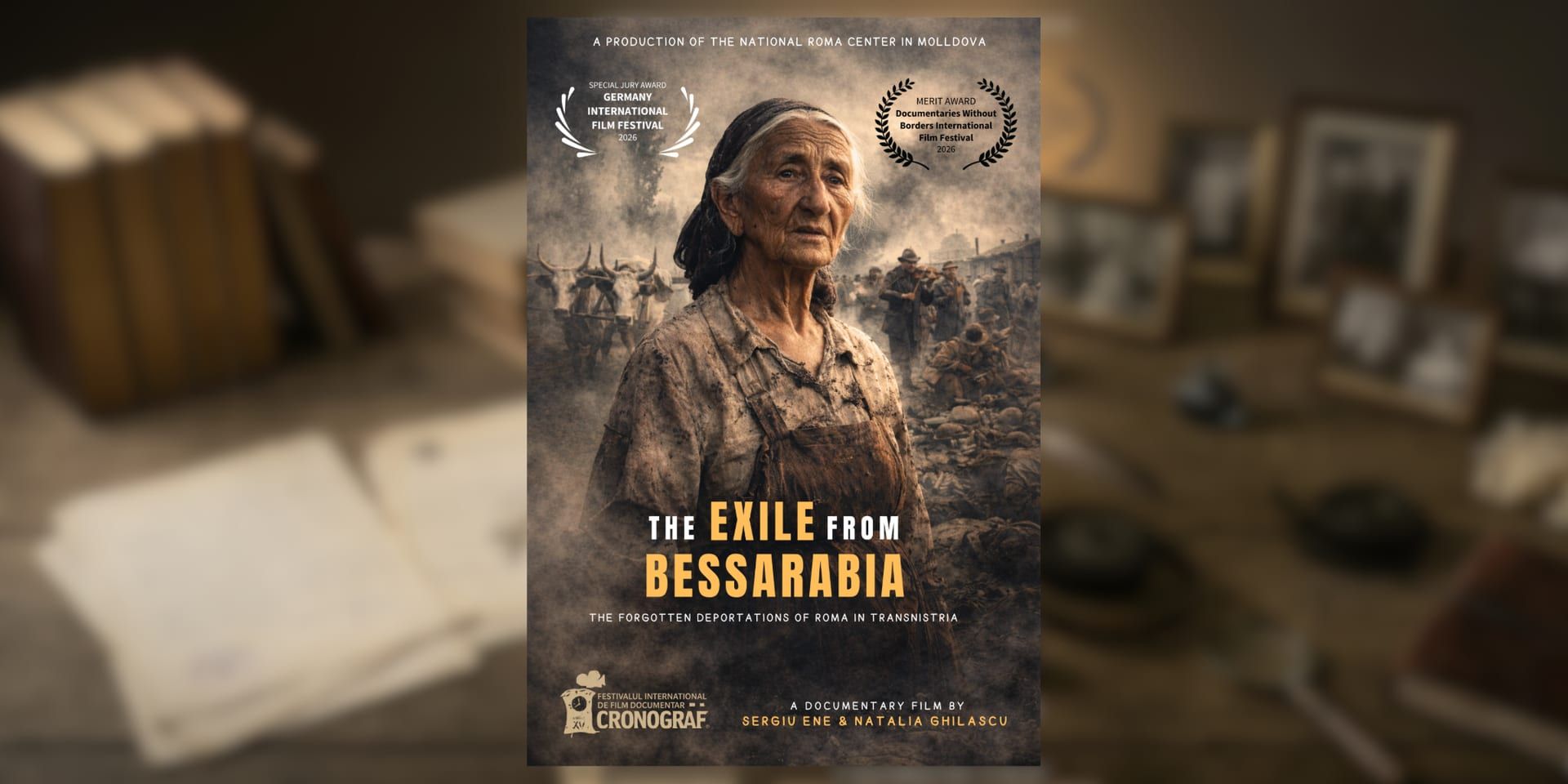
Natalia Ghilascu’s award-winning documentary revives the forgotten WWII deportation of Roma from Bessarabia through survivor testimony.
Award-Winning Documentary The Exile from Bessarabia Brings Forgotten Roma Deportations to LightAward-winning Moldovan journalist and filmmaker Natalia Ghilascu is gaining international recognition for her documentary The Exile from Bessarabia (2026), a powerful and historically significant film that has drawn acclaim from documentary festivals in both the United States and Europe for its contribution to historical memory, human rights storytelling, and investigative cinema.
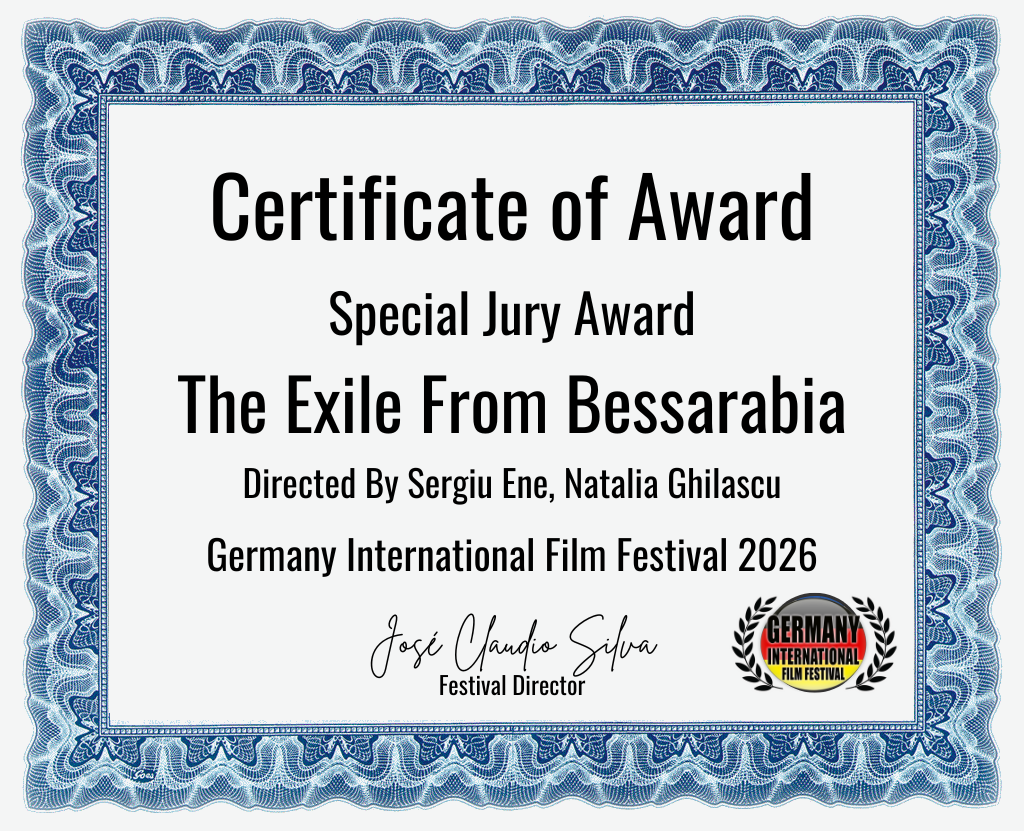
The documentary, co-directed with filmmaker Sergiu Ene, received the Award of Merit at the Without Borders International Documentary Film Festival in Delaware on March 15, 2026, followed by a Special Jury Award at an international documentary film festival in Germany on May 6, 2026.
These international honors position Ghilascu among a rising generation of Eastern European documentary filmmakers whose work is helping expand conversations surrounding historical injustice, cultural memory, and minority rights through deeply researched and emotionally resonant storytelling.
For Natalia Ghilascu, the documentary represents far more than a cinematic accomplishment. It is part of a broader mission to recover suppressed histories and amplify voices long excluded from mainstream historical narratives.
A Documentary Restoring a Silenced History
The Exile from Bessarabia investigates the forced deportation of Roma communities from Bessarabia to Transnistria during World War II under the regime of Romanian wartime leader Ion Antonescu.
While the Holocaust and wartime deportations have been extensively documented, the persecution of Roma communities in Eastern Europe has remained comparatively underrepresented in international cinema and public historical discourse. Ghilascu’s documentary addresses this absence through rare archival materials, survivor testimony, and investigative documentary storytelling that brings long-forgotten experiences into public consciousness.
The film features firsthand testimonies from survivors who were only children during the deportations, offering historically valuable accounts that are rapidly disappearing with time. Through these intimate recollections, the documentary preserves stories that might otherwise have been lost forever.
Critics and festival juries have recognized the film for its emotional depth, investigative rigor, and cinematic treatment of a subject rarely explored within global documentary filmmaking.
Journalism, Memory, and Human Rights
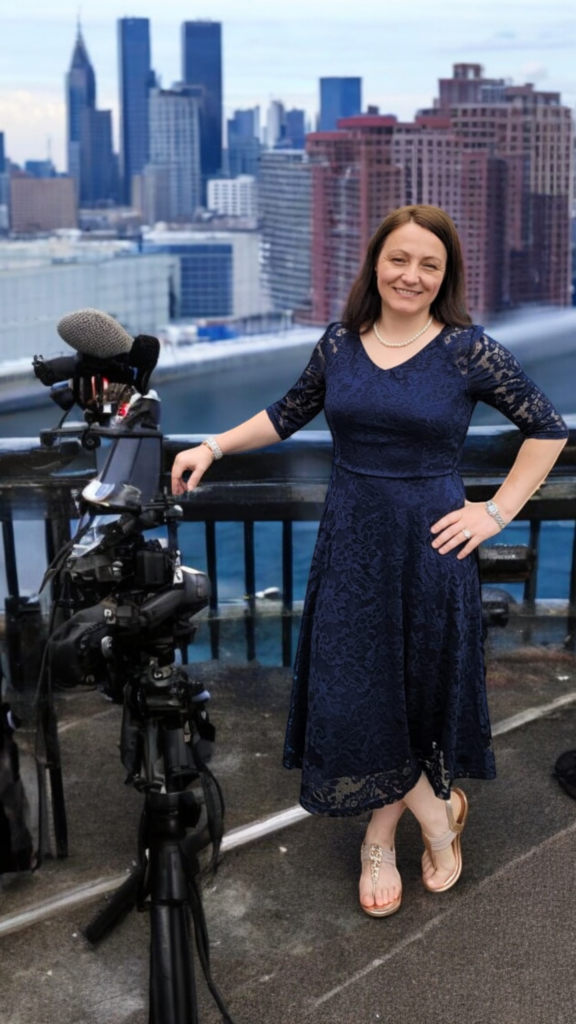
Before transitioning into documentary filmmaking, Natalia Ghilascu established herself as a journalist covering human rights, minority communities, migration, and social inequality throughout Eastern Europe. Her reporting became known for combining investigative precision with narrative depth, particularly in politically sensitive environments and underreported communities.
“As a journalist and filmmaker from Moldova, I have spent much of my career documenting the lives of people whose voices are often overlooked,” Ghilascu says. “Yet nothing prepared me for the silence surrounding the deportation of Roma communities from Bessarabia during World War II. It was not only the tragedy itself that struck me, it was the absence of public memory.”
She describes the documentary as both a cinematic and moral undertaking.
“I felt compelled to confront this historical erasure not only because it belongs to the past, but because it speaks directly to our present,” she explains. “Across the world, Roma communities continue to face social challenges, displacement, and ongoing inequality. By restoring visibility to the Roma Holocaust in Eastern Europe, this film seeks to expand awareness of an important historical chapter.”
In a time when questions surrounding migration, social inclusion, and historical remembrance continue to shape public discussion, Ghilascu believes remembrance itself has become an important act of human rights advocacy.
“Cinema has the power not only to preserve testimony, but to reintroduce it into public awareness,” she says. “My hope is that this film contributes to a broader conversation, one that affirms dignity, encourages historical understanding, and highlights the importance of preserving marginalized histories.”
International Recognition and Global Impact
In 2015, Ghilascu was selected for the Hubert H. Humphrey Fellowship Program and continued her studies at the Walter Cronkite School of Journalism and Mass Communication in the United States. The fellowship expanded her expertise in multimedia journalism, documentary production, and long-form storytelling, helping shape an internationally informed editorial and cinematic approach.
Her work has consistently explored themes of displacement, identity, cultural survival, and historical justice, subjects that continue to resonate with international audiences, academic institutions, and human rights organizations.
The success of The Exile from Bessarabia also marks an important milestone for documentary cinema emerging from the Republic of Moldova. Prior to receiving recognition in the United States and Germany, the Romanian-language version of the documentary won Best Local Film at the CRONOGRAF International Documentary Film Festival, one of the region’s leading documentary film festivals.
Industry observers note that the documentary’s international reception reflects growing recognition for Eastern European filmmakers who bring underrepresented histories to wider audiences through socially engaged and investigative cinema.
With its combination of historical research, survivor testimony, and cinematic storytelling, The Exile from Bessarabia demonstrates how documentary film can function not only as artistic expression, but also as an instrument of cultural preservation and historical awareness.
As international recognition for the documentary continues to grow, the film further establishes Natalia Ghilascu as a distinctive voice in contemporary documentary filmmaking and human rights storytelling.
References:

Artist Highlight Contributor
Covers film, television, and the media business, following productions from festival premiere to wide release.
This article features partner, contributor, or branded content from a third party. Members of the Artist Highlight editorial staff were not involved in the creation of this content. All views and opinions are those of the contributor alone.
You May Also Like

Forgotten Island Brings Filipino Folklore And Friendship To The Big Screen

Beck’s Ride Lonesome Finds Beauty In Solitude Through A Rich Return To Reflective Folk Rock

Gregory Porter Brings Jazz And Soul To New York For The 2026 Oneness Festival

2026 iHeartRadio Music Festival Brings Generations Of Music Together In Las Vegas

Astrid C. Paints The Strength Behind Silence