Carnegie Hall Celebrates the 50th Anniversary of the “Concert of the Century”
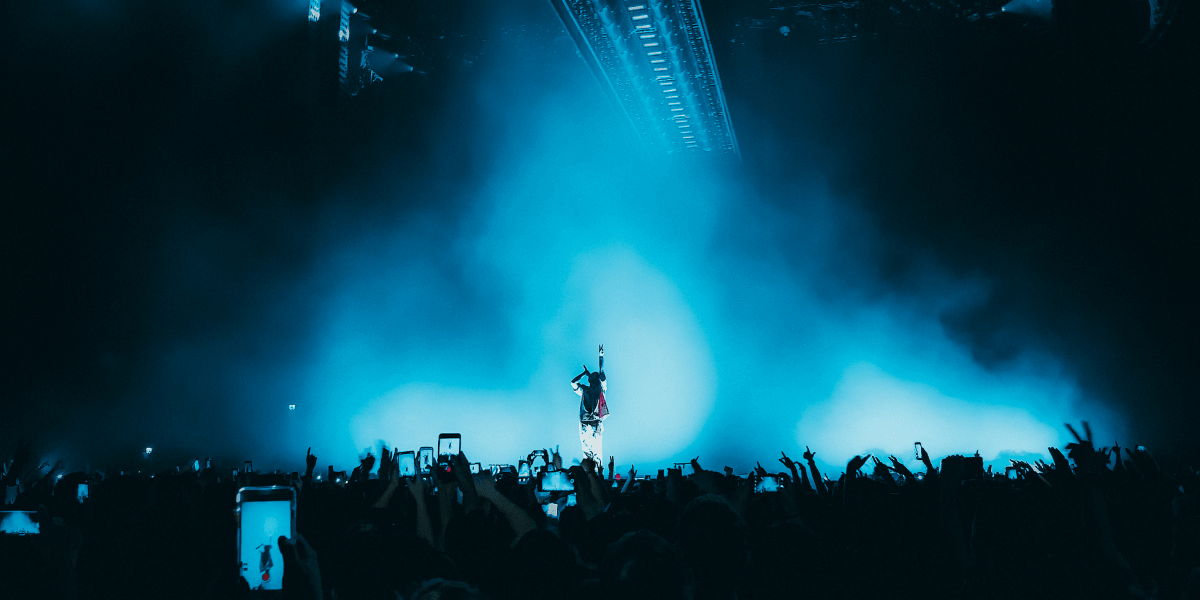
On May 11, 2026, the American performing arts community continued celebrating one of the most significant milestones in modern classical music history: the 50th anniversary of Carnegie Hall’s legendary “Concert of the Century.” The commemorative event, hosted at Carnegie Hall, brought together internationally recognized musicians, conductors, and cultural leaders to honor a performance that has remained influential for five decades.
Originally staged in 1976, the “Concert of the Century” became famous for uniting some of the world’s leading classical artists in a landmark musical collaboration. The anniversary celebration in 2026 was designed not only as a tribute to that historic performance, but also as a reminder of Carnegie Hall’s enduring role in shaping global arts and culture.
The anniversary program attracted attention from across the entertainment and arts industries because it represented more than a single concert. For many observers, the event symbolized the continued resilience and relevance of live performance during a time when digital entertainment increasingly dominates public attention. The gathering also highlighted the importance of preserving historic cultural institutions and introducing younger audiences to classical music traditions.
Carnegie Hall remains one of the most respected performance venues in the United States. Since opening in 1891, the New York venue has hosted artists ranging from Leonard Bernstein and Duke Ellington to Billie Holiday and Yo-Yo Ma. Over the decades, it has become synonymous with artistic excellence and has played a critical role in elevating both established and emerging talent.
The 50th anniversary celebration demonstrated how institutions like Carnegie Hall continue adapting to modern audiences while honoring artistic heritage. Organizers emphasized accessibility and education alongside performance. In recent years, the venue has expanded its digital outreach programs, educational workshops, and youth music initiatives to ensure classical music remains relevant to contemporary audiences.
The anniversary event also reflected a broader trend within the U.S. cultural sector: renewed public interest in live arts experiences. Following years of shifting entertainment habits, audiences have increasingly returned to theaters, concert halls, and cultural festivals seeking shared experiences that cannot be replicated online. Cultural analysts have noted that legacy venues are now balancing tradition with innovation, incorporating livestreams, multimedia storytelling, and educational programming into major productions.
For performers, the celebration served as both a professional milestone and a rare collaborative opportunity. Special anniversary concerts often bring together artists who would not typically share the same stage, creating performances that are memorable for audiences and musicians alike. Industry observers noted that events of this scale help reinforce New York City’s position as one of the world’s leading cultural capitals.
The celebration also carried economic significance. Major arts events in New York generate substantial tourism and hospitality activity, benefiting restaurants, hotels, transportation providers, and nearby businesses. Cultural tourism remains a major contributor to the city’s economy, particularly in Manhattan’s theater and arts districts. Large-scale performances at Carnegie Hall frequently attract visitors from across the United States and abroad, further strengthening the city’s international cultural profile.
In addition to honoring the past, the anniversary celebration highlighted the future of performing arts education. Carnegie Hall has increasingly focused on mentorship initiatives, artist development programs, and collaborations with schools and nonprofit organizations. These programs aim to cultivate the next generation of musicians and audiences while ensuring broader access to arts education.
The renewed attention surrounding the “Concert of the Century” anniversary has also encouraged wider discussions about preserving historic performances and cultural archives. Music historians and educators continue studying landmark concerts because they offer insight into artistic innovation, audience engagement, and the evolution of live performance traditions. Anniversary events provide opportunities to revisit these moments while introducing them to new audiences who may be unfamiliar with their historical importance.
As celebrations continued throughout May 2026, the event underscored the enduring cultural value of shared artistic experiences. In an entertainment landscape increasingly shaped by short-form digital content and streaming platforms, the Carnegie Hall anniversary reminded audiences that live performance still holds unique emotional and cultural power.
For many attendees, the evening was not only about commemorating a historic concert but also about recognizing the lasting influence of institutions that support creativity across generations. The 50th anniversary of the “Concert of the Century” ultimately served as both a tribute to musical excellence and a statement about the continuing importance of arts and culture in American public life.

Artist Highlight Contributor
Covers live culture and emerging artists, tracking the galleries, festivals, and stages where new work arrives first.
This article features partner, contributor, or branded content from a third party. Members of the Artist Highlight editorial staff were not involved in the creation of this content. All views and opinions are those of the contributor alone.
You May Also Like
American Symphony Orchestra’s “New York Resounds” Finds Power in Reflection and Resilience
Jhené Aiko Returns With Westside Whimsy, Her First Album in Six Years

NextNOW Fest 2026 Opens at University of Maryland With a Week of Art, Music and Creative Experiences
Florida Indie Band Shy Blossom Steps Into the Spotlight With “Eternity”

Zach Randles-Friedman Makes Queer Stories Feel Human