Smithsonian Folklife Festival Continues to Celebrate Living Traditions Across America
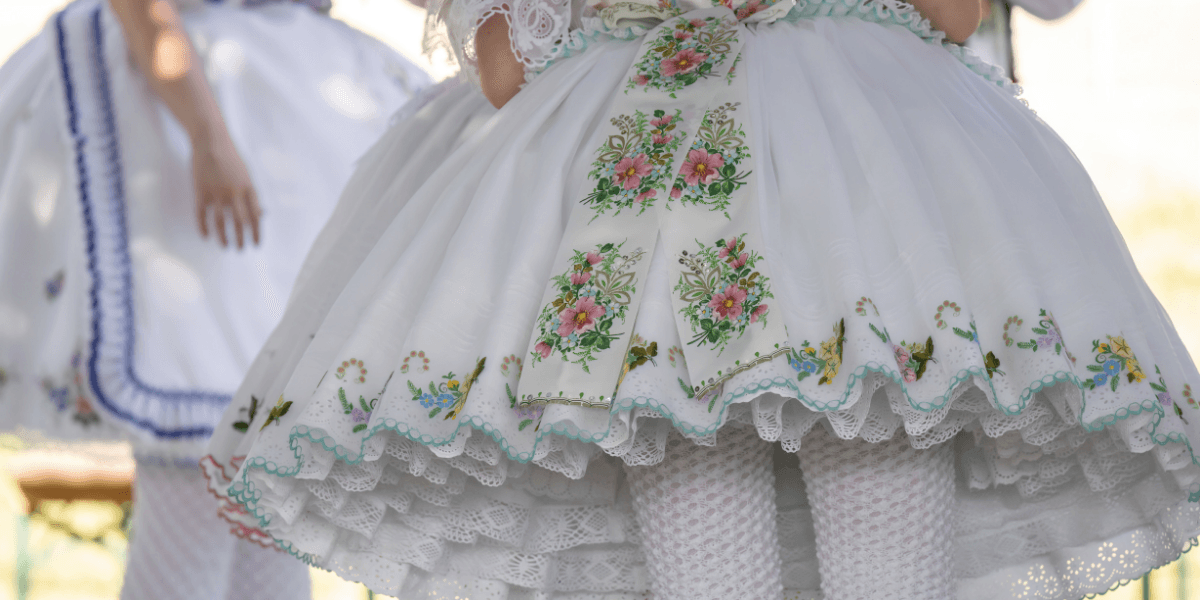
The Smithsonian Folklife Festival continued to draw thousands of visitors to the National Mall in Washington, D.C., on July 20, 2026, offering another full day of performances, artisan demonstrations, educational programs, and cultural exchanges. As one of the nation’s premier cultural gatherings, the annual festival celebrates the traditions, creativity, and heritage of communities from across the United States and around the world.
Presented by the Smithsonian Center for Folklife and Cultural Heritage, the festival has become a summer tradition since its founding in 1967. Unlike conventional exhibitions that focus primarily on historical artifacts, the event highlights living traditions by inviting artists, musicians, craftspeople, cooks, and cultural practitioners to share their knowledge directly with visitors. This interactive format allows attendees to experience culture through conversation, demonstration, and participation.
Throughout July 20, visitors explored a wide variety of exhibits and activities spread across the National Mall. Live music performances remained among the festival’s most popular attractions, featuring musicians representing diverse cultural backgrounds and musical traditions. From folk ensembles to regional performers, each presentation showcased not only artistic talent but also the stories and cultural significance behind the music.
Many performances included discussions led by the artists themselves, providing audiences with insights into how their traditions have been preserved and adapted over generations. These conversations transformed performances into educational experiences, helping visitors better understand the historical and social contexts that shape different forms of artistic expression.
Artisan demonstrations also attracted large crowds throughout the day. Skilled craftspeople presented traditional techniques such as weaving, pottery, woodworking, textile arts, basket making, and other forms of handcrafted work. Rather than simply displaying finished pieces, participants demonstrated each step of their creative process while answering questions from attendees.
This direct interaction between artists and the public remains one of the festival’s defining characteristics. Visitors have the opportunity to learn not only about finished works of art but also about the knowledge, techniques, and cultural values that are passed from one generation to the next. For many participating artists, these conversations are just as important as the demonstrations themselves, offering a meaningful way to preserve traditions through education.
Educational programming continued throughout the day with presentations, panel discussions, and storytelling sessions led by scholars, historians, and community representatives. Topics explored the importance of cultural heritage, regional traditions, language preservation, and the role of the arts in strengthening communities. These programs encouraged thoughtful dialogue while making cultural education accessible to audiences of all ages.
Families visiting the festival found numerous hands-on activities designed specifically for children and young learners. Interactive workshops introduced younger visitors to traditional crafts, music, and storytelling through engaging activities that emphasized creativity and cultural appreciation. These experiences reflected the festival’s commitment to inspiring future generations to value and preserve cultural traditions.
Food demonstrations provided another popular attraction throughout the festival. Culinary presenters shared recipes, cooking methods, and the cultural stories connected to traditional dishes from participating communities. Rather than focusing solely on tasting experiences, these demonstrations explored how food reflects local history, family traditions, migration, and regional identity. Visitors gained a greater understanding of how cuisine serves as both a practical necessity and a meaningful cultural expression.
One of the festival’s greatest strengths is its ability to create opportunities for genuine cultural exchange. Artists and cultural practitioners are encouraged to engage directly with visitors, answer questions, and discuss their personal experiences. This approach helps transform the event from a series of performances into an ongoing conversation about creativity, identity, and shared human experiences.
The festival also continues to support traditional artists whose work may receive limited exposure through commercial venues. By providing a nationally recognized platform, the event helps preserve artistic practices that have been maintained within families and communities for generations. At the same time, visitors gain access to authentic cultural experiences that extend beyond typical museum exhibitions.
As a free public event, the Smithsonian Folklife Festival remains accessible to residents, tourists, educators, and families from diverse backgrounds. Its open format encourages participation regardless of age or previous knowledge, making it one of the country’s most inclusive cultural celebrations. The festival’s location on the National Mall also allows visitors to combine their experience with nearby museums and historic landmarks, creating a broader appreciation of American history and culture.
The continued popularity of the festival reflects growing public interest in cultural preservation and artistic diversity. In an increasingly interconnected world, opportunities to experience authentic traditions firsthand have become especially valuable. Events like the Smithsonian Folklife Festival demonstrate that cultural heritage is not confined to history books or museum collections but remains vibrant through the people who continue to practice, teach, and celebrate these traditions every day.
The July 20 programming once again highlighted the festival’s unique mission of bringing together communities through music, art, storytelling, craftsmanship, and shared experiences. Visitors left with a deeper understanding of the cultural traditions represented while gaining a renewed appreciation for the artists and educators who dedicate themselves to preserving these living forms of heritage.
As another successful day concluded, the Smithsonian Folklife Festival continued to reinforce its reputation as one of the United States’ most important cultural events. By celebrating creativity, encouraging dialogue, and promoting lifelong learning, the festival remains a meaningful reminder that cultural traditions thrive when they are shared, experienced, and passed on to future generations.

Artist Highlight Contributor
Covers live culture and emerging artists, tracking the galleries, festivals, and stages where new work arrives first.
This article features partner, contributor, or branded content from a third party. Members of the Artist Highlight editorial staff were not involved in the creation of this content. All views and opinions are those of the contributor alone.
You May Also Like

The Hidden Cost of Cheap Permanent Makeup
French Elegance Meets Modern Home Sewing

Anne Powell Writes Romance That Lingers
A Land Apart: The Nigerian Thriller Reimagining Africa Beyond Oil And Bringing A Bold New Vision To Cinemas

Glen Evelyn Proves The Most Powerful Creative Chapters Can Begin Later In Life