
NOCO Dance Intensive Teaches the Skills Behind a Dance Career
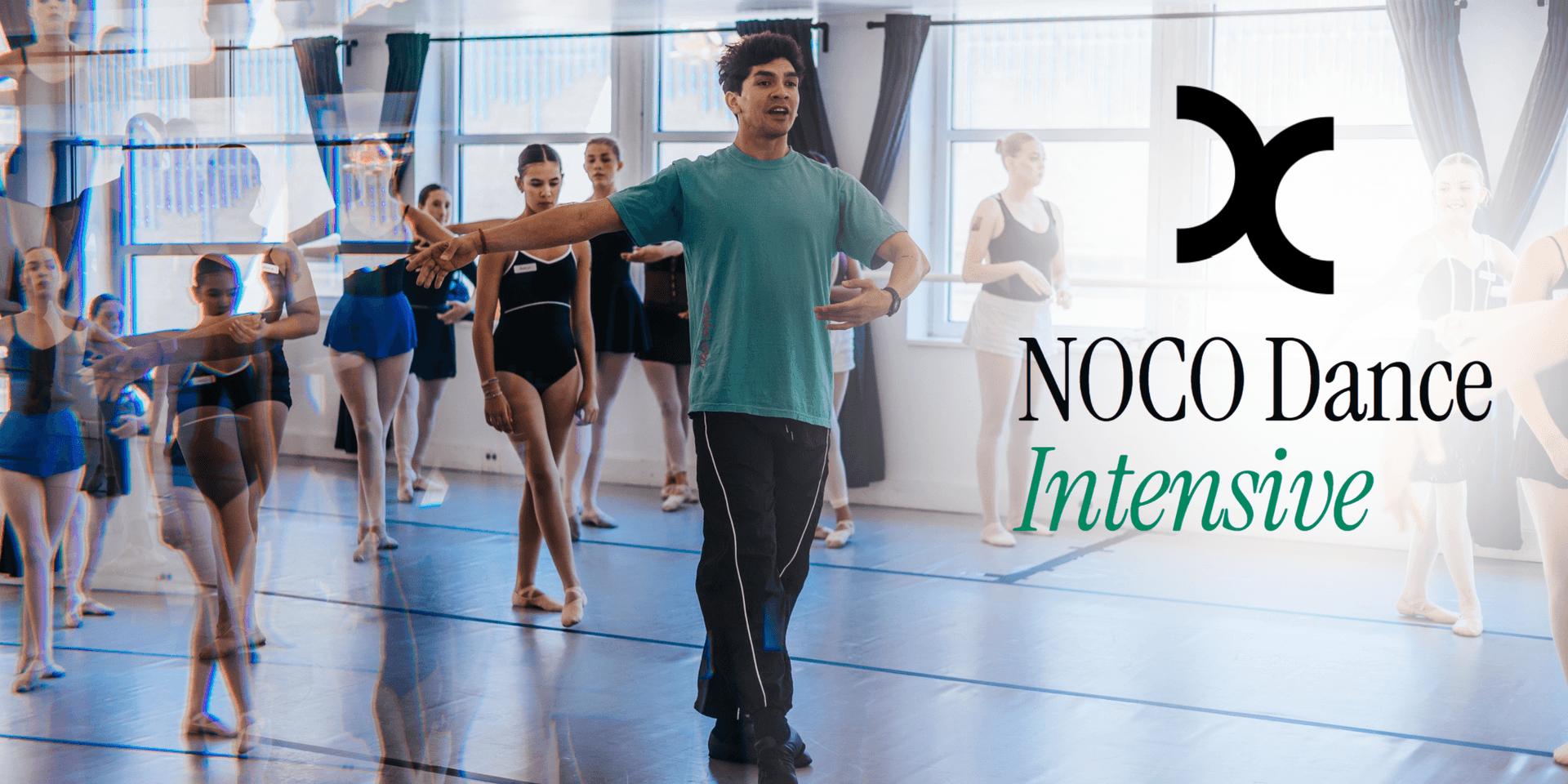
NOCO Dance Intensive combines dance training with industry education, on-set experience, and career-focused resources for aspiring performers.
Dance training is built around movement: technique, musicality, choreography, and the ability to perform with precision. But pursuing dance professionally can also involve working on camera, preparing audition materials, understanding the expectations of a production environment, and learning directly from people working in the industry. NOCO Dance Intensive has made those practical considerations part of its program, reflecting an approach that treats career preparation as a component of dance education.
The Colorado-based program describes its purpose in direct terms: “We don’t just teach dance, we teach careers.” Its published curriculum includes classes across several dance styles, a dance industry course, a music video shoot, on-set educational instruction, faculty question-and-answer sessions, audition and scholarship opportunities, and a media package. Together, these components give the program a focus that extends beyond classroom instruction alone.
Career Education as Part of Dance Training
For aspiring performers, learning choreography is one part of preparing for work in dance. Different settings can require different skills, whether a dancer is learning material for a stage performance, adapting to a camera, or taking direction during a production. NOCO Dance Intensive’s published program addresses several of these settings through specific activities rather than relying exclusively on technique classes.
The planned music video shoot, for example, is designed to provide on-set experience alongside professional directors. The program also lists educational instruction with film directors and professional dancers, giving participants opportunities to learn about working in the industry. These activities place dance within a broader production context and expose participants to experiences that differ from a conventional studio class.
The distinction matters because professional preparation is not limited to mastering steps. Dancers may also need to understand how to receive direction, adapt to a creative brief, and present their work in different formats. While participation in an intensive program cannot guarantee employment, practical exposure can help students become more familiar with the environments and expectations they may encounter as they pursue further training or professional opportunities.
A Curriculum That Extends Beyond One Style
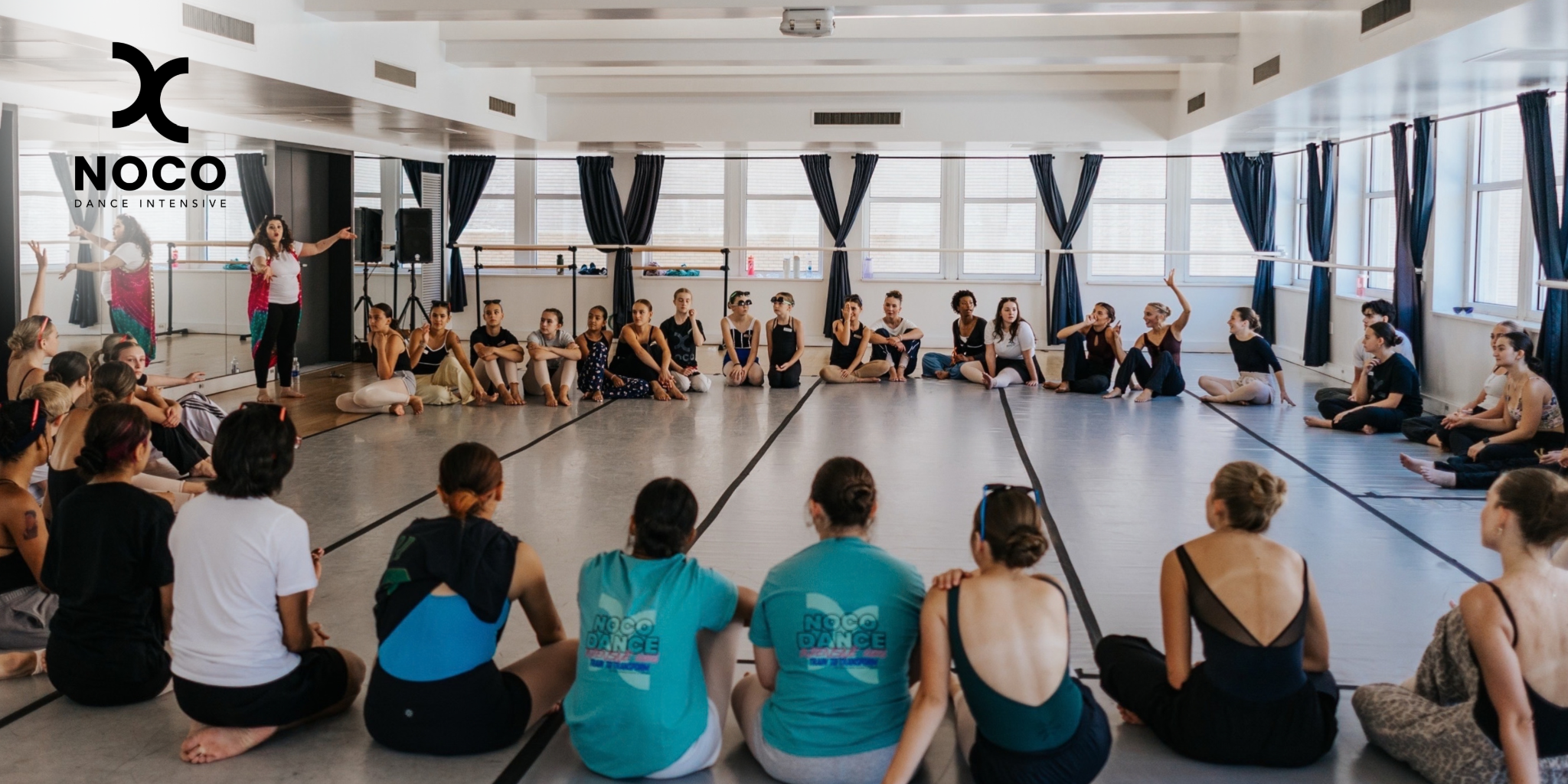
NOCO Dance Intensive lists commercial, contemporary, tap, jazz, ballet, modern, Latin dance, choreography, and additional styles among its class offerings. Its website also identifies individualized feedback and personal guidance as elements of the training experience.
A varied class schedule can give dancers opportunities to work outside their strongest discipline and encounter different movement approaches. The value of that range depends on each participant’s experience and goals, but the program’s stated format provides a setting in which students can engage with multiple styles during one intensive.
The planned dance industry course adds a separate educational component. Rather than describing career preparation only as an eventual outcome of technical development, NOCO includes an activity specifically intended to help dancers understand what building a lasting career may involve. The public program description does not detail every lesson covered in the course, so its precise content should be confirmed with the organizers. Still, its inclusion signals that industry knowledge is an explicit part of the intensive’s stated design.
Learning From Working Artists
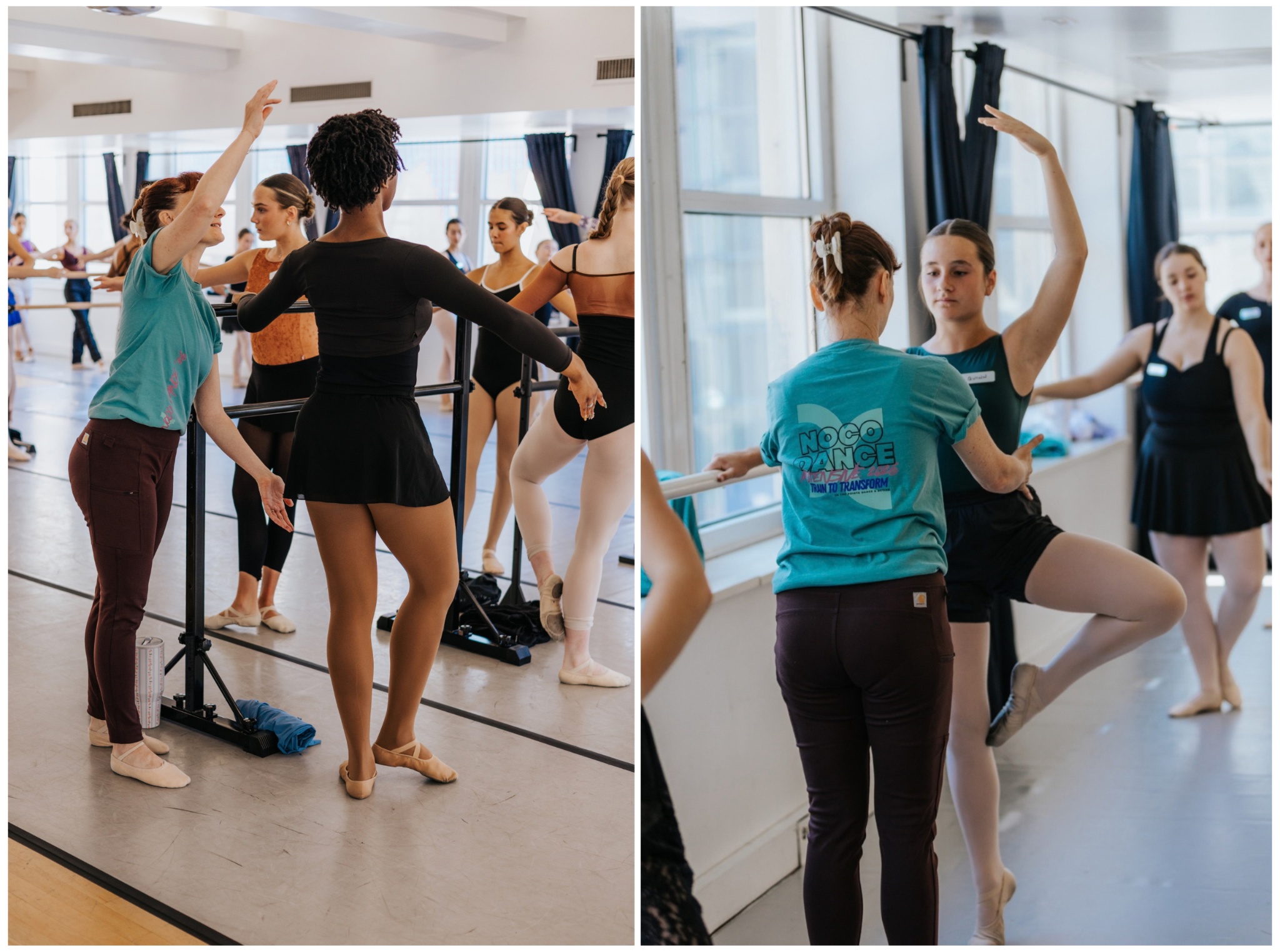
Access to experienced instructors is another part of the program. NOCO’s official faculty information identifies Amanda Treiber Scales and Jonatan Lujan as core ballet faculty and Erin Merkley as event director. The website describes its broader faculty model as bringing together choreographers, directors, and dancers with experience across film, television, tours, and stage.
These roles offer participants a chance to learn from people whose professional experience extends beyond teaching in a classroom. The program also schedules a question-and-answer session with faculty, giving dancers a designated opportunity to ask questions and hear advice from working professionals.
The value of those conversations depends on what participants ask and what faculty can share, but the format creates space for questions that may not arise during technique instruction. Dancers can use that opportunity to seek clarification about training pathways, professional expectations, and the practical decisions involved in pursuing work. NOCO incorporates direct contact with industry practitioners into its weeklong program without presenting that access as a substitute for continued study or experience.
Preparing Dancers to Present Their Work
One of the clearest links between the program’s educational and practical elements is its media package. NOCO says participants can receive high-quality photos and videos for auditions, reels, and social media.
Such materials can help dancers document their work and present examples of their movement to people evaluating their skills. Their usefulness will depend on the quality and suitability of the materials, as well as the requirements of a particular audition or opportunity. The package is therefore best understood as a resource for presentation, not a guarantee of access to jobs or casting decisions.
The media component also reflects how dance work can extend beyond a live performance. Camera-based projects and digital portfolios create different ways for performers to share their abilities. By listing a music video shoot, on-set instruction, and media resources together, NOCO’s program connects learning, practice, and documentation within a single educational experience.
Access and the Cost of Dance Education
Career preparation also raises a practical question: who can access the training? Dance education can involve financial commitments, and NOCO identifies scholarships as part of its approach to participation. According to the program’s published information, scholarship opportunities are available through an audition process, and proceeds support the Kristina Scholarship, a charitable fund dedicated to helping dancers who face financial challenges afford their education.
Dancers and families interested in financial assistance can review the fund’s information through the Kristina Scholarship website. Those interested in supporting access to dance education can also explore the organization’s work there. Scholarship availability, eligibility, and award details should be confirmed directly with the relevant organizers; funding is not guaranteed for every applicant.
For families considering an intensive, these details are important. Reviewing the schedule, understanding what is included, and asking about costs, audition requirements, and scholarship availability can help them determine whether the program aligns with their dancer’s goals and circumstances.
A Practical View of the Next Step
NOCO Dance Intensive’s published 2027 program is scheduled for July 19 through 23 at the Denver Arts Complex in Denver, Colorado. Its listed activities combine multi-style dance classes with industry instruction, a music video shoot, faculty discussion, audition and scholarship opportunities, and media resources. Prospective participants should consult the organizers for the latest schedule and participation details.
That combination defines the program’s particular emphasis: not simply developing dance technique, but introducing participants to some of the practical contexts in which dance skills are used and presented. The intensive is one part of a longer process that may include continued classes, auditions, further education, professional experience, and sustained personal work.
Aspiring dancers and their families can review program details, faculty information, schedules, and scholarship opportunities on the official NOCO Dance Intensive website. For updates, behind-the-scenes content, and program announcements, they can also follow NOCO Dance Intensive on Instagram.
By making career education an explicit part of its program, NOCO offers participants a structured opportunity to consider not only how they dance, but also how they can prepare for the realities of pursuing dance beyond the classroom.

Artist Highlight Contributor
Covers live culture and emerging artists, tracking the galleries, festivals, and stages where new work arrives first.
This article features partner, contributor, or branded content from a third party. Members of the Artist Highlight editorial staff were not involved in the creation of this content. All views and opinions are those of the contributor alone.
You May Also Like

Elizabeth Roman: The System Behind Creator Management

When a Chatbot Dialogue Became a Human Journey

Will's Wake: A Haunting Debut Novel About Friendship, Family, and the Fractures of the Mind

From the USA to Europe: Beauty is Art Takes Its Gallery Format for Beauty Artists to France
Anina Major Brings The Sacred Mangrove To Pérez Art Museum Miami