Coachella 2026 Opens With Record-Breaking Attendance and Diverse Lineup
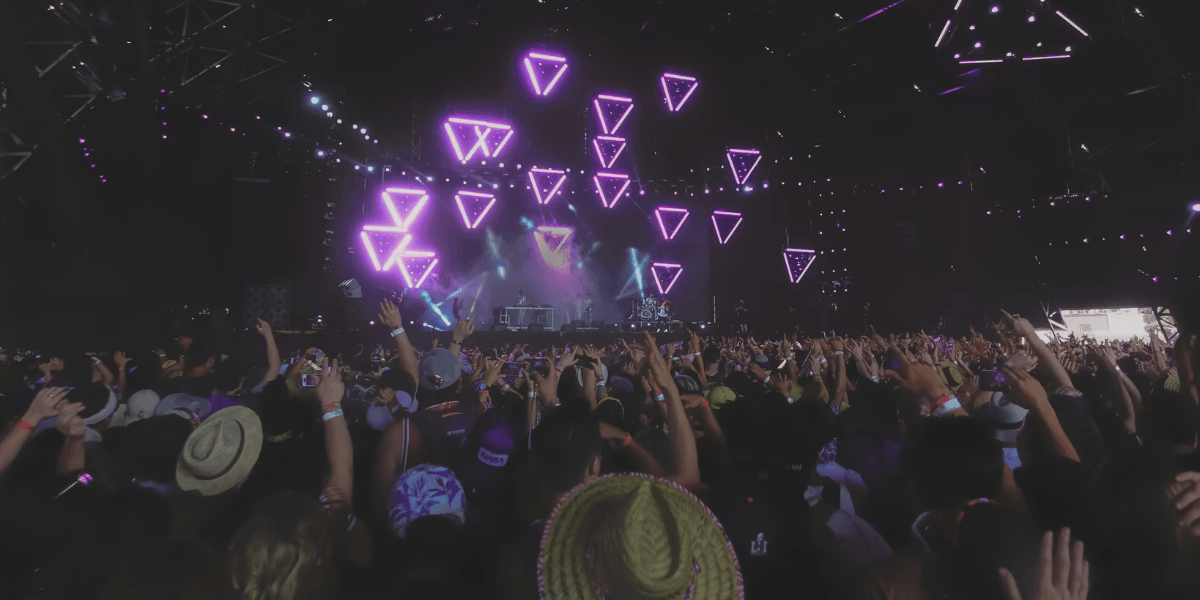
On April 9, 2026, the Coachella Valley Music and Arts Festival officially opened its first weekend in Indio, California, marking one of the most anticipated cultural events in the United States. Known globally for shaping music trends and spotlighting emerging talent, this year’s festival drew record-breaking attendance while showcasing one of its most diverse lineups to date, blending established headliners with rising artists across genres.
Held annually at the Empire Polo Club, Coachella has evolved into more than just a music festival. It is a cultural touchpoint that influences fashion, digital media, and the broader entertainment landscape. The 2026 edition reinforced that reputation, with organizers reporting expanded stage designs, immersive art installations, and a renewed focus on inclusivity in artist representation.
The opening day featured a strong mix of genres, reflecting shifting listener preferences in the streaming era. Headlining performances included major global acts alongside breakout musicians who gained popularity through digital platforms over the past year. This year’s lineup emphasized genre fluidity, with artists blending elements of pop, hip-hop, electronic, and alternative music into hybrid performances that resonated with younger audiences.
One of the defining elements of the 2026 festival is its spotlight on emerging artists. Several early-day performances drew significant crowds, signaling a growing appetite for discovering new talent in live settings. Industry observers noted that artists who previously built their audiences online are now commanding large festival stages, highlighting a shift in how music careers are developed and sustained. This reflects broader industry trends where streaming platforms play a central role in artist discovery and fan engagement.
Beyond music, Coachella continues to serve as a major platform for visual art and experiential design. Large-scale installations from both U.S. and international artists transformed the festival grounds into a curated outdoor gallery. These works often incorporate themes such as technology, identity, and environmental awareness, providing attendees with interactive experiences that extend beyond traditional concert formats. This integration of art and music has become a defining feature of the festival, attracting not only music fans but also creators and cultural observers.
The economic impact of the event is also significant. Local businesses in the Coachella Valley typically see a surge in activity during both festival weekends, with hotels, restaurants, and transportation services experiencing increased demand. Early indicators suggest that 2026 is on track to match or exceed previous years in terms of economic contribution to the region.
Another notable aspect of this year’s opening is the continued emphasis on production quality and technology. Advanced stage engineering, high-definition visuals, and synchronized lighting systems enhanced the live experience, while digital integration allowed remote audiences to engage with performances through livestreams. This hybrid approach reflects how large-scale events are adapting to audience expectations shaped by both in-person and digital consumption.
Safety and event management were also key priorities. Organizers implemented updated crowd management systems and operational protocols to ensure a smooth experience for attendees. Opening day proceeded efficiently, with minimal disruptions despite the high volume of guests.
From a cultural perspective, Coachella 2026 underscores the ongoing evolution of live entertainment. The festival’s ability to blend music, art, and technology demonstrates how cultural events are adapting to changing audience behaviors. It also reinforces the importance of live experiences in an era dominated by digital content. While streaming platforms continue to shape how music is consumed, events like Coachella provide a shared, immersive environment that cannot be replicated online.
Key takeaways from the opening day highlight several important trends. The rise of emerging artists to prominent festival slots reflects a democratization of the music industry, where talent can gain recognition outside traditional pathways. The integration of visual art and interactive design signals a broader definition of entertainment that values multidisciplinary creativity. The continued economic and cultural impact of large-scale festivals demonstrates their role as both artistic platforms and drivers of local economies.
As the first weekend continues, industry analysts and audiences will be watching closely to see which performances generate the most attention and which artists emerge as standout voices of the year. With its strong opening, Coachella 2026 once again positions itself at the forefront of global music and cultural innovation, offering a clear view into the future of live entertainment in the United States.

Artist Highlight Contributor
Covers live culture and emerging artists, tracking the galleries, festivals, and stages where new work arrives first.
This article features partner, contributor, or branded content from a third party. Members of the Artist Highlight editorial staff were not involved in the creation of this content. All views and opinions are those of the contributor alone.
You May Also Like

Hayley Ferreira Paints a New Future With The Bay Area Muralist
NOCO Dance Intensive Teaches the Skills Behind a Dance Career

Elizabeth Roman: The System Behind Creator Management

When a Chatbot Dialogue Became a Human Journey

Will's Wake: A Haunting Debut Novel About Friendship, Family, and the Fractures of the Mind