Anina Major Brings The Sacred Mangrove To Pérez Art Museum Miami
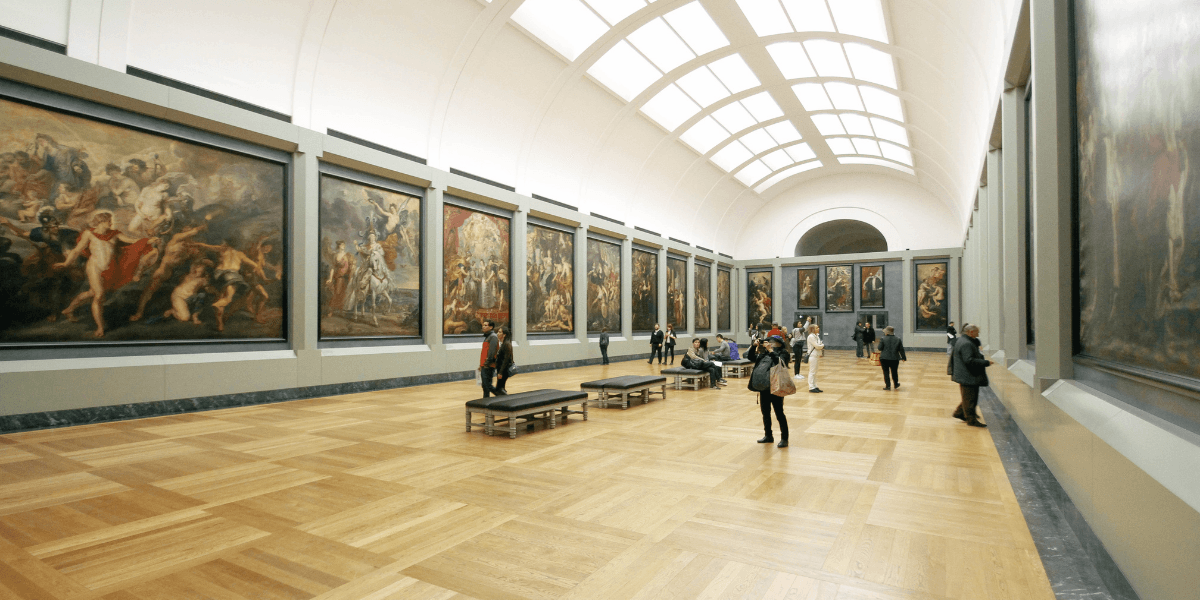
Anina Major transforms Bahamian weaving traditions into an immersive ceramic landscape at Pérez Art Museum Miami.
On October 1, 2026, visitors entering Pérez Art Museum Miami encountered something more than a conventional gallery of ceramic sculpture. Towering forms of woven clay, bottle trees, shells, and fragments transformed the museum space into a landscape shaped by memory. The opening of Anina Major: The Sacred Mangrove marked the Bahamian born artist's most significant institutional presentation in the United States to date, bringing together sculpture, architecture, cultural history, and the natural environment. The exhibition remains on view through August 1, 2027.
Major, who was born in Nassau in 1981 and now lives in New York, works across ceramics, sculpture, and installation. Central to her practice is a familiar Bahamian technique: palm leaf plaiting. Rather than simply reproducing woven objects, however, Major recreates the physical language of weaving in clay. Strands are formed, woven, glazed, and fired, changing something traditionally soft and temporary into an object capable of lasting for generations. The approach connects contemporary sculpture with cultural knowledge that might otherwise be overlooked.
Anina Major And The Art Of Preserving Memory
The roots of Anina Major: The Sacred Mangrove are deeply personal. Major learned about Bahamian straw craft through her grandmother, Saphora Newbold, who made woven hats, bags, and dolls. Newbold's work helped support her family. Major's ceramic practice now draws attention to the skill and knowledge carried by that tradition while reconsidering the distinction often made between craft and fine art.
That history becomes tangible throughout the exhibition. Among its central works is Water Tower, created in 2024 from glazed stoneware, sea glass, and sand. Standing nearly four feet tall, the sculpture recalls the water tanks and cisterns found across the Bahamas. Its woven ceramic surface combines the visual language of plaiting with materials connected to the shoreline, allowing landscape and cultural memory to meet in a single object.
Major expands this idea across the gallery with tall woven clay sculptures, bottle trees, crushed conch shells, and ceramic fragments reused from earlier works. Visitors can walk among the pieces rather than experience them only from a distance. The installation creates an environment in which sculpture, architecture, and landscape work together.
The mangrove itself provides the exhibition with a fitting central image. Mangroves are closely connected to Caribbean coastal environments, where they provide habitats for wildlife and help protect shorelines. Within Major's exhibition, the mangrove also becomes a way to consider ideas about protection, responsibility, memory, and cultural preservation.
Why The Sacred Mangrove Matters
The exhibition arrives at an important point in Major's artistic career. Her transformation of clay into forms resembling palm leaf plaits demonstrates how familiar techniques can acquire new meaning when an artist changes their material, scale, and setting. Instead of presenting tradition as something fixed in the past, Major uses it as a foundation for contemporary artistic exploration.
This process also challenges assumptions about where the boundaries between art and craft should be drawn. Weaving has long carried practical, cultural, and economic importance in the Bahamas. By translating the visual structure of plaiting into ceramic sculpture, Major gives viewers an opportunity to reconsider the labor, knowledge, and creativity embedded within handmade objects.
Miami provides an especially relevant setting for this conversation. Installed in a waterfront museum beside Biscayne Bay, The Sacred Mangrove appears in a city shaped by longstanding Caribbean cultural connections. The surrounding landscape gives additional context to an exhibition concerned with islands, coastlines, migration, tourism, memory, and belonging.
The physical experience of the installation is equally important. Rather than organizing each sculpture as an isolated object, Major creates a larger environment that invites visitors to consider relationships between individual pieces. Repeated woven patterns establish visual connections throughout the gallery, while natural materials and references to the shoreline reinforce the exhibition's connection to place.
For audiences interested in contemporary art and emerging creative voices, the exhibition offers a reminder that innovation does not always require abandoning tradition. Major demonstrates how inherited knowledge can be examined, transformed, and given a different physical life while maintaining a connection to the people and histories behind it.
Where Tradition Takes A New Form
Anina Major: The Sacred Mangrove is scheduled to remain on view at Pérez Art Museum Miami through August 1, 2027. The extended exhibition period gives visitors an opportunity to experience Major's combination of ceramics, weaving traditions, environmental imagery, and personal history within an immersive museum setting.
For followers of contemporary sculpture, Caribbean art, and artists who transform cultural traditions through new materials, Major's exhibition provides a compelling example of how personal memory can become part of a much larger artistic conversation. The Sacred Mangrove asks viewers to look closely at what communities inherit, what they preserve, and how artists can carry those traditions forward in unexpected forms.

Artist Highlight Contributor
Covers live culture and emerging artists, tracking the galleries, festivals, and stages where new work arrives first.
This article features partner, contributor, or branded content from a third party. Members of the Artist Highlight editorial staff were not involved in the creation of this content. All views and opinions are those of the contributor alone.
You May Also Like

Elizabeth Roman: The System Behind Creator Management
When a Chatbot Dialogue Became a Human Journey
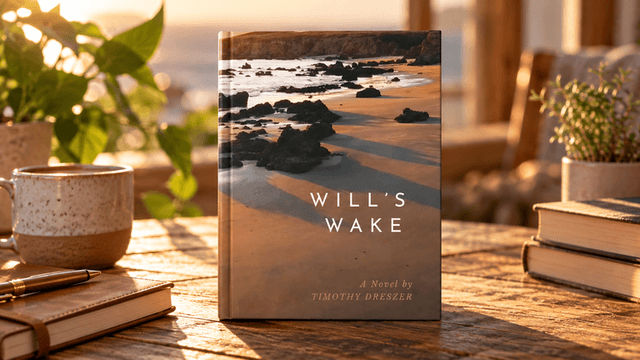
Will's Wake: A Haunting Debut Novel About Friendship, Family, and the Fractures of the Mind
From the USA to Europe: Beauty is Art Takes Its Gallery Format for Beauty Artists to France

Aquarian Renegal Turns Dark Romance Into A Fearless Literary Playground