Stagecoach 2026: A Genre-Blending Country Festival Expands Its Cultural Reach
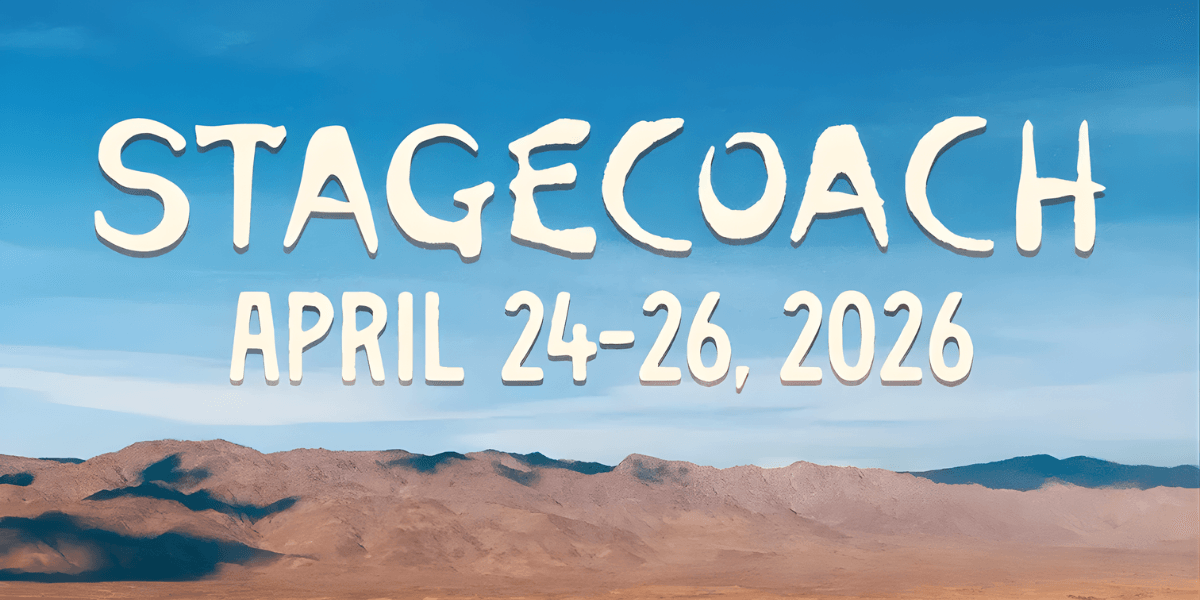
On April 25, 2026, one of the United States’ most prominent music gatherings, the Stagecoach Festival, continued its multi-day run in Indio, California, drawing national attention for its evolving sound and cross-genre appeal. Traditionally rooted in country music, the festival’s 2026 edition reflects a broader cultural shift, embracing diverse musical styles while maintaining its core identity.
A Major Cultural Event in Motion
Held annually in the California desert, Stagecoach has grown into one of the most influential country music festivals in North America. The 2026 event, running from April 24 to April 26, features a packed lineup of both established stars and emerging artists. Headliners this year include Post Malone, Lainey Wilson, and Cody Johnson, each representing different facets of modern country and crossover music.
The April 25 programming, the festival’s central day, stood out for its diversity. Alongside traditional country acts, audiences experienced performances from artists such as Pitbull and Diplo, reflecting the festival’s increasingly hybrid musical identity.
Blending Tradition with Modern Influence
What distinguishes Stagecoach 2026 is its deliberate blending of genres. While classic country remains central, the inclusion of rock, pop, and hip-hop artists signals a shift toward a more inclusive festival model. Bands like Journey and Third Eye Blind appeared alongside country staples such as Brooks & Dunn, creating a lineup that appeals to a wider demographic.
This approach mirrors broader trends in the music industry, where genre boundaries continue to blur. By incorporating artists from multiple backgrounds, Stagecoach not only expands its audience but also reflects how contemporary listeners consume music, often without strict allegiance to a single genre.
Digital Expansion and Accessibility
Another defining feature of this year’s event is its expanded digital presence. The festival is being livestreamed across major platforms, allowing fans worldwide to participate in real time.
This accessibility represents a significant development for live entertainment. In previous years, attendance was largely limited to those able to travel to California. In 2026, however, digital streaming transforms Stagecoach into a global experience, extending its cultural footprint beyond the physical venue.
Economic and Cultural Significance
Events like Stagecoach contribute substantially to the local and national economy. Indio, already known for hosting large-scale festivals, benefits from increased tourism, hospitality demand, and media exposure. While exact figures for 2026 are not yet available, similar festivals historically generate millions in revenue for surrounding communities.
Culturally, Stagecoach plays an important role in shaping the narrative of American music. By spotlighting both legacy acts and rising performers, it acts as a bridge between generations of artists and fans. Emerging musicians sharing stages with established names gain visibility, while audiences are introduced to new sounds within a familiar setting.
Key Takeaways for Audiences
The April 25 highlights of Stagecoach 2026 underscore several important developments in today’s entertainment landscape:
- Genre fluidity is becoming the norm. The festival’s lineup demonstrates how country music is intersecting with pop, hip-hop, and electronic influences.
- Live events are increasingly hybrid experiences. The integration of livestreaming expands access and reshapes how audiences engage with festivals.
- Cultural events remain vital community drivers. Beyond entertainment, festivals like Stagecoach contribute to local economies and cultural identity.
Looking Ahead
As Stagecoach continues through the weekend, its April 25 programming serves as a snapshot of where live music is heading. The festival’s willingness to evolve, while preserving its roots, positions it as a key player in the future of large-scale cultural events.
For readers and music enthusiasts, the takeaway is clear: today’s festivals are no longer confined by genre or geography. Instead, they are becoming dynamic platforms where diverse sounds, audiences, and technologies converge, reshaping the experience of live entertainment in the United States and beyond.

Artist Highlight Contributor
Covers live culture and emerging artists, tracking the galleries, festivals, and stages where new work arrives first.
This article features partner, contributor, or branded content from a third party. Members of the Artist Highlight editorial staff were not involved in the creation of this content. All views and opinions are those of the contributor alone.
You May Also Like
American Symphony Orchestra’s “New York Resounds” Finds Power in Reflection and Resilience
Jhené Aiko Returns With Westside Whimsy, Her First Album in Six Years

NextNOW Fest 2026 Opens at University of Maryland With a Week of Art, Music and Creative Experiences
Florida Indie Band Shy Blossom Steps Into the Spotlight With “Eternity”
Zach Randles-Friedman Makes Queer Stories Feel Human