Atlanta Film Festival Marks 50 Years, Signaling a Resilient Era for U.S. Independent Cinema
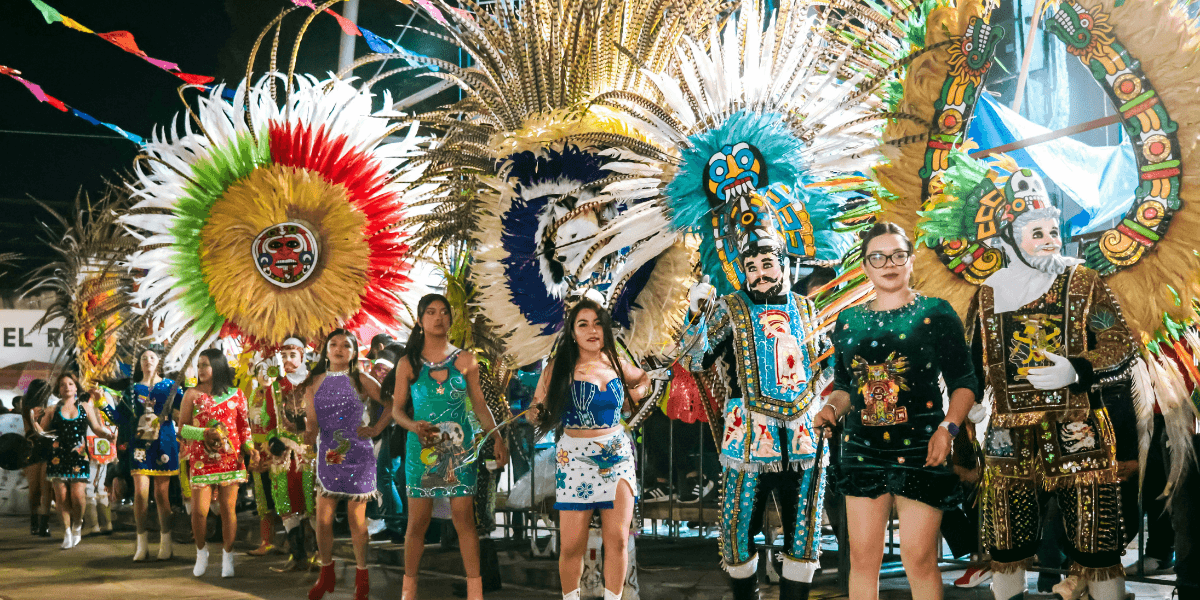
On April 16, 2026, one of the United States’ most enduring cultural institutions, the Atlanta Film Festival, entered a milestone moment, celebrating its 50th anniversary with a renewed focus on creativity, industry recovery, and global storytelling. As preparations intensify for this year’s edition, scheduled to run from late April into early May, the festival’s golden anniversary stands as a defining cultural event in the American film landscape today.
Founded in 1976, the Atlanta Film Festival (AFF) has grown into one of the longest-running film festivals in the country. Over five decades, it has evolved from modest local screenings into a globally recognized platform connecting filmmakers, audiences, and industry professionals. Its continued relevance in 2026 highlights both its historical importance and its adaptability in a rapidly shifting entertainment industry.
A Legacy of Supporting Independent Voices
The significance of this anniversary lies not only in longevity but in impact. Since its early days, when filmmakers shared equipment and collaborated within a grassroots creative community, the festival has served as a launchpad for independent cinema. Today, it remains a vital space for emerging artists seeking visibility in an increasingly competitive market.
Unlike major commercial film events, AFF has consistently prioritized accessibility and artistic experimentation. Its programming includes narrative features, documentaries, short films, and multimedia experiences, offering a diverse snapshot of contemporary storytelling. This year’s lineup continues that tradition, featuring innovative projects and retrospective screenings that reflect both the past and future of filmmaking.
Among the highlights is a multimedia showcase titled “Sound + Vision,” blending film, music, and immersive art. The festival will also revisit notable works such as That Evening Sun and present screenings of widely recognized films, underscoring its role in bridging independent and mainstream cinema.
Navigating Industry Challenges
The 50th anniversary arrives at a pivotal time for the U.S. film industry. In recent years, filmmakers and production companies have faced significant disruptions, from the global pandemic to labor strikes and shifts in content financing. These challenges have affected production timelines, employment stability, and distribution models.
However, early indicators in 2026 suggest cautious optimism. Industry professionals report shorter gaps between projects and gradual improvements in wages, particularly in regional production hubs like Atlanta. The city itself has become a major center for film and television production, often dubbed the “Hollywood of the South,” further amplifying the festival’s relevance.
The Atlanta Film Festival, therefore, serves not just as a celebration but as a barometer of industry recovery. Its ability to attract talent, audiences, and investment reflects renewed confidence in the creative economy.
Cultural and Economic Impact
Beyond its artistic contributions, the festival plays a meaningful role in the local and national economy. Events like AFF generate tourism, support local businesses, and provide networking opportunities that can lead to long-term industry partnerships.
Film festivals also function as cultural hubs, fostering dialogue around storytelling, representation, and innovation. In 2026, these conversations are especially important as creators explore new formats, including hybrid digital experiences and cross-disciplinary collaborations.
The festival’s programming reflects broader cultural trends, including an increased emphasis on diverse voices and global perspectives. By showcasing stories from different backgrounds and communities, AFF contributes to a more inclusive media landscape.
A Broader Moment for U.S. Cultural Events
The anniversary of the Atlanta Film Festival coincides with a broader surge in cultural activity across the United States. Mid-April 2026 is marked by a vibrant calendar of creative gatherings, highlighting renewed public interest in live and in-person experiences.
This nationwide momentum underscores the enduring importance of shared cultural spaces. After years of disruption, audiences are returning to theaters, galleries, and festivals, seeking connection and collective engagement with the arts.
Key Takeaways
The 50th anniversary of the Atlanta Film Festival offers several important insights for readers and industry observers:
- Independent cinema continues to thrive through community-driven platforms.
- Regional cities are playing an increasingly influential role in film production.
- Film festivals are evolving to include immersive and interdisciplinary experiences.
- Cultural events remain vital in shaping dialogue, identity, and creative exchange.
Looking Ahead
As the Atlanta Film Festival prepares to officially open its 2026 edition, its 50-year legacy stands as a testament to the enduring power of creativity. For filmmakers, it remains a gateway to opportunity; for audiences, a space to discover new voices; and for the industry, a symbol of resilience and reinvention.
In an era defined by rapid technological change and shifting audience habits, the continued success of institutions like AFF underscores a simple truth: the demand for compelling stories, and the spaces that celebrate them, remains as strong as ever.

Artist Highlight Contributor
Covers live culture and emerging artists, tracking the galleries, festivals, and stages where new work arrives first.
This article features partner, contributor, or branded content from a third party. Members of the Artist Highlight editorial staff were not involved in the creation of this content. All views and opinions are those of the contributor alone.
You May Also Like
American Symphony Orchestra’s “New York Resounds” Finds Power in Reflection and Resilience
Jhené Aiko Returns With Westside Whimsy, Her First Album in Six Years

NextNOW Fest 2026 Opens at University of Maryland With a Week of Art, Music and Creative Experiences
Florida Indie Band Shy Blossom Steps Into the Spotlight With “Eternity”
Zach Randles-Friedman Makes Queer Stories Feel Human