Coachella 2026 Opens with a Cross-Generational Celebration of Music and Art
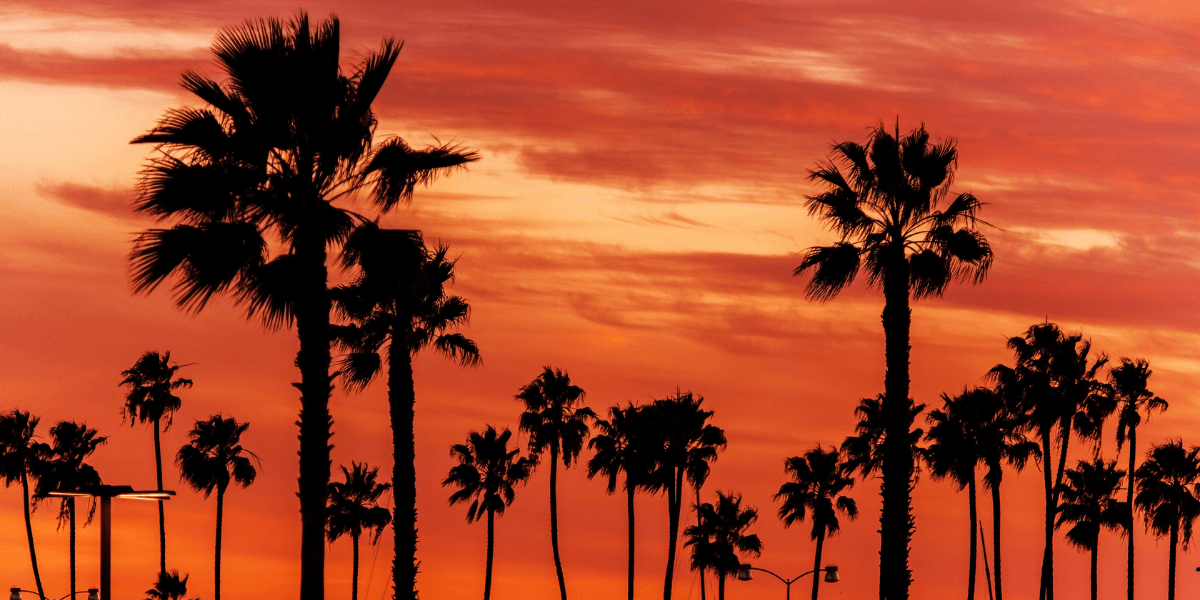
On April 18, 2026, the first weekend of the Coachella Valley Music and Arts Festival continued in Indio, California, drawing tens of thousands of attendees from across the United States and around the world. Widely regarded as one of the most influential cultural gatherings in contemporary music, the festival once again demonstrated its role as a platform for artistic innovation, emerging talent, and cross-genre collaboration.
Held annually at the Empire Polo Club, Coachella has built a reputation not only for its high-profile headliners but also for its carefully curated lineup that blends established artists with rising performers. The 2026 edition maintained this tradition, featuring a diverse mix of pop, hip-hop, electronic, indie, and global music acts. Industry observers noted that this year’s programming leaned heavily into genre fusion and international representation, reflecting broader shifts in the global music landscape.
One of the defining features of the April 18 programming was its emphasis on live performance as a visual and immersive experience. Artists incorporated large-scale stage designs, synchronized lighting, and multimedia elements that blurred the boundaries between concert and installation art. This approach aligns with Coachella’s longstanding commitment to integrating music with visual creativity, making it as much an arts festival as a musical event.
In addition to performances, the festival grounds showcased new large-scale art installations from contemporary artists. These works, often interactive and environmentally themed, provided attendees with spaces for reflection and engagement beyond the main stages. According to organizers, the 2026 installations were selected with a focus on sustainability and audience participation, reinforcing the festival’s evolving cultural and social awareness.
The event also served as a key moment for emerging artists seeking broader exposure. Early-day sets and smaller stages featured musicians who have gained traction through streaming platforms and social media, offering them access to a live audience that includes fans, critics, and industry professionals. Historically, Coachella has played a significant role in accelerating the careers of such performers, and early reactions from critics suggest that several 2026 acts may follow a similar trajectory.
From an industry perspective, Coachella continues to function as a barometer for trends in music consumption and performance. The prominence of genre-blending acts and collaborative sets during the April 18 lineup highlighted a growing preference among audiences for versatility and experimentation. Analysts have pointed out that festivals like Coachella increasingly influence not just live music, but also recording trends, marketing strategies, and artist branding.
Audience engagement remained a central theme throughout the day. Attendees actively documented performances and installations, contributing to the festival’s extensive digital footprint. While Coachella has long been associated with social media visibility, organizers have emphasized balancing digital sharing with in-person experience. Efforts such as designated phone-free zones and enhanced on-site amenities were introduced to encourage deeper audience immersion.
Economically, the festival continues to have a substantial impact on the local region. Hotels, restaurants, and transportation services in and around Indio experience a significant surge in demand during the event. According to previous reports from regional tourism boards, Coachella generates hundreds of millions of dollars in economic activity annually, underscoring its importance beyond the cultural sphere.
Safety and logistics were also key considerations for the 2026 event. Organizers implemented updated crowd management systems and expanded health and safety measures to accommodate large audiences. These efforts reflect lessons learned from past large-scale events and align with industry-wide standards for live entertainment gatherings.
The significance of April 18, 2026, within the broader context of Coachella lies in its reaffirmation of the festival’s cultural relevance. More than two decades after its founding, Coachella continues to adapt to changing artistic trends while maintaining its identity as a space for creative expression. Its ability to bring together diverse audiences and performers highlights the unifying power of music and art in an increasingly fragmented media landscape.
For readers and cultural observers, several key takeaways emerge from this year’s event. First, the continued rise of global and genre-fluid artists suggests that the future of music will be increasingly interconnected. Second, the integration of visual art and performance underscores the growing importance of multidisciplinary creativity in live entertainment. Finally, the festival’s sustained popularity demonstrates the enduring appeal of shared, in-person cultural experiences, even in an era dominated by digital media.
As Coachella 2026 progresses into its second weekend, attention will likely remain focused on standout performances and emerging trends. However, the events of April 18 have already reinforced the festival’s status as a cornerstone of contemporary culture, one that not only reflects the current state of music and art but also helps shape its future.

Artist Highlight Contributor
Covers live culture and emerging artists, tracking the galleries, festivals, and stages where new work arrives first.
This article features partner, contributor, or branded content from a third party. Members of the Artist Highlight editorial staff were not involved in the creation of this content. All views and opinions are those of the contributor alone.
You May Also Like
American Symphony Orchestra’s “New York Resounds” Finds Power in Reflection and Resilience
Jhené Aiko Returns With Westside Whimsy, Her First Album in Six Years

NextNOW Fest 2026 Opens at University of Maryland With a Week of Art, Music and Creative Experiences
Florida Indie Band Shy Blossom Steps Into the Spotlight With “Eternity”
Zach Randles-Friedman Makes Queer Stories Feel Human