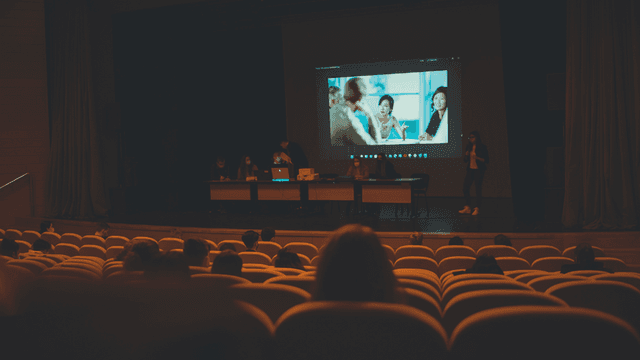
Chicago Latino Film Festival Concludes Its 42nd Edition with Cultural Impact
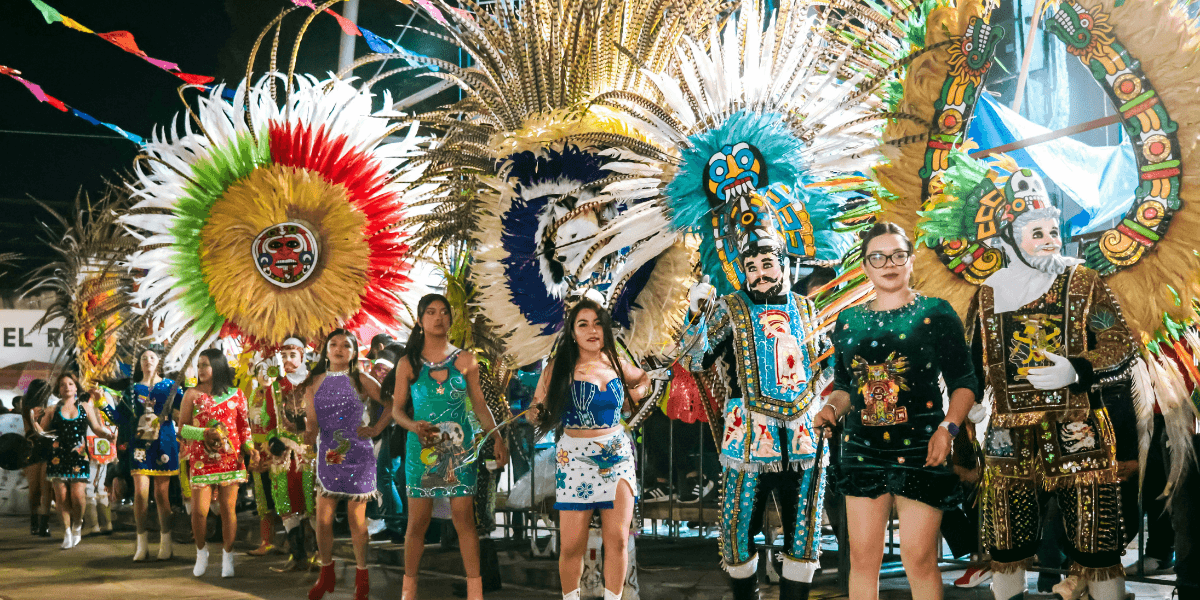
On April 27, 2026, one of the most significant cultural events in the United States reached its finale: the 42nd Chicago Latino Film Festival. Held in Chicago, Illinois, this long-running festival closed after nearly two weeks of programming that celebrated Latin American and Latino storytelling through cinema. The closing night marked not only the end of the event but also a reaffirmation of the festival’s enduring role in shaping cultural dialogue through film.
Founded in 1985, the Chicago Latino Film Festival has grown into the longest-running Latino film festival in the United States. Its 2026 edition featured a strong lineup of films, including feature-length works and short films from across Latin America, Spain, Portugal, and Latino communities in the U.S. The event continues to serve as a major platform for filmmakers whose work reflects diverse cultural experiences and perspectives.
A Closing Night Focused on Storytelling
The festival concluded with a screening of “The Dog, My Father, and Us,” directed by Ecuadorian filmmaker Pablo Arturo Suárez. Rather than centering on a large-scale gala, the 2026 closing night emphasized a more intimate and engaging experience. Attendees participated in a reception followed by the screening and a live discussion with filmmakers, creating a space for direct interaction between creators and audiences.
This approach reflects a broader shift in the film festival landscape, where meaningful engagement and storytelling are increasingly prioritized over spectacle. By encouraging dialogue, the event reinforced the importance of cinema as a shared and reflective cultural experience.
Representation and Cultural Significance
The festival’s programming highlighted stories that often remain underrepresented in mainstream media. Many of the featured films explored themes such as migration, identity, family relationships, and historical memory, subjects that resonate widely across cultures.
A defining feature of the 2026 edition was its diversity. The lineup included both emerging voices and established directors, offering audiences a wide range of artistic styles and narratives. This balance allowed the festival to both celebrate accomplished filmmakers and introduce new talent to broader audiences.
Over more than four decades, the Chicago Latino Film Festival has played an important role in elevating Latino filmmakers and promoting cross-cultural understanding. Its continued relevance demonstrates the growing recognition of inclusive storytelling within the entertainment industry.
Broader Context in U.S. Entertainment
The conclusion of the festival comes at a time when the U.S. entertainment industry is increasingly embracing global narratives and culturally specific stories. Independent film festivals remain essential spaces for innovation, often serving as launching grounds for films that later gain wider recognition through streaming platforms or theatrical releases.
Audience preferences have also evolved. Viewers are showing greater interest in stories that reflect authentic cultural experiences and diverse perspectives. This shift has contributed to the rising importance of festivals that curate international and community-driven content.
Additionally, the emphasis on audience engagement, such as post-screening discussions and filmmaker Q&As, reflects a broader trend toward more interactive and educational entertainment experiences. Audiences today are not only watching films but also seeking to understand the creative and cultural context behind them.
Key Takeaways for Readers
The conclusion of the 42nd Chicago Latino Film Festival highlights several important developments in today’s cultural and entertainment landscape:
- Diversity and representation continue to shape the future of storytelling.
- Independent festivals remain vital for discovering new talent and original narratives.
- Audience engagement is becoming a central part of cultural events.
- Global and multicultural perspectives are increasingly valued in U.S. media.
Looking Ahead
As the 2026 edition comes to a close, the festival’s influence will continue through the films and filmmakers it has showcased. Many of these works are expected to reach wider audiences in the coming months, extending the festival’s impact beyond its duration.
The Chicago Latino Film Festival remains a key cultural institution, demonstrating how film can bridge communities and foster understanding. Its ongoing success reflects the importance of platforms that amplify diverse voices and celebrate creativity in all its forms.
In a rapidly evolving entertainment landscape, events like this continue to highlight the power of storytelling, not only to entertain, but also to connect people through shared human experiences.

Artist Highlight Contributor
Covers live culture and emerging artists, tracking the galleries, festivals, and stages where new work arrives first.
This article features partner, contributor, or branded content from a third party. Members of the Artist Highlight editorial staff were not involved in the creation of this content. All views and opinions are those of the contributor alone.
You May Also Like
From the USA to Europe: Beauty is Art Takes Its Gallery Format for Beauty Artists to France

Aquarian Renegal Turns Dark Romance Into A Fearless Literary Playground
AFI FEST 2026 Unveils 157 Film Lineup For Its 40th Edition In Hollywood
Queensbridge Turns A Sold Out Festival Debut Into A New Three Week New York Run

Pearl Jam Returns to the Stage at Ohana Festival With a New Live Chapter