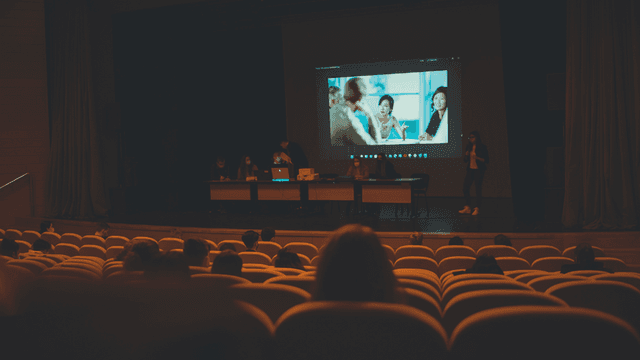
Tuba Bach Festival Blends Classical and Celtic Music in Big Rapids
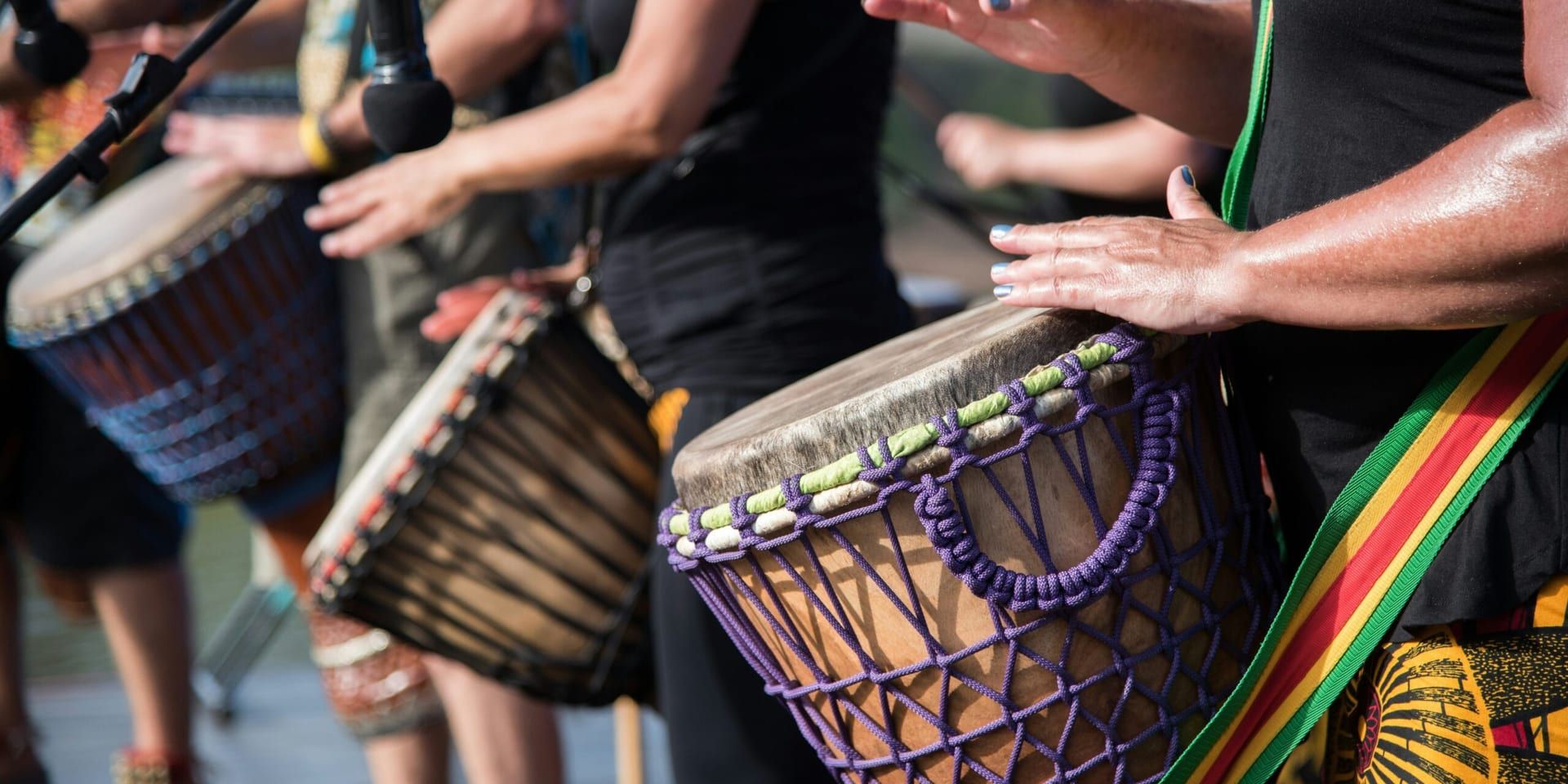
On October 10, 2025, the Tuba Bach Festival in Big Rapids, Michigan, offered a truly unique and captivating musical experience that combined the timeless beauty of classical music with the lively energy of Celtic traditions. Held at the Immanuel Lutheran Church, the performance featured a collaboration between internationally renowned Celtic musicians and the works of one of classical music’s greatest composers, Johann Sebastian Bach.
The festival brought together an eclectic group of artists, including Tony McManus, a virtuoso guitarist whose mastery of traditional Celtic guitar techniques has earned him widespread acclaim, Sean Gavin, a Uilleann bagpiper known for his ability to breathe new life into traditional Irish music, and Shane Cook, a fiddler whose energetic performances showcase his deep connection to the Celtic folk tradition. These three musicians, with their diverse backgrounds and expertise, created an atmosphere that was both intimate and exhilarating, bridging the gap between two distinct musical worlds.
The centerpiece of the evening was a reinterpretation of Bach’s Fifth Cello Suite, a piece that is often performed in its original form by solo cellists. In this special arrangement, the musicians infused Bach’s classical masterpiece with Celtic rhythms and melodies, offering the audience a fresh perspective on the iconic composition. The result was an intriguing fusion of Bach’s structured elegance and the spirited, improvisational nature of Celtic music. The combination of these two genres created a performance that was both intellectually stimulating and emotionally engaging, as the musicians took the audience on a journey that melded tradition with innovation.
Alongside the Bach reimagining, the program also featured a range of traditional and original Celtic compositions, each piece reflecting the deep roots of Celtic culture while showcasing the virtuosity of the performers. From intricate fiddle tunes to the soulful sound of the Uilleann pipes, the music evoked the rich storytelling tradition of the Celtic people, capturing both the joyful and melancholic aspects of the culture. The performance was not just a display of technical skill but also an emotional expression of the Celtic heritage that the musicians hold dear.
The Tuba Bach Festival is known for its ability to bring together diverse audiences, and this performance was no exception. The blending of classical and Celtic music attracted both longtime classical music enthusiasts and those with a deep appreciation for folk traditions, creating a space where the boundaries between genres seemed to disappear. For those who could not attend the concert in person, the performance was made accessible to a broader audience through live-streaming on YouTube and Facebook, as well as a broadcast on Sunny 97.3. This allowed music lovers from all over to experience the magic of the evening, whether they were at home or on the go.
The fusion of classical and Celtic music at the Tuba Bach Festival serves as a reminder of the timeless nature of music and its ability to transcend cultural and historical boundaries. By blending these two rich musical traditions, the performers not only honored their respective genres but also showed that the power of music lies in its ability to bring people together, inspire creativity, and celebrate cultural diversity. The event left a lasting impression on the audience, proving that music is a universal language capable of uniting people from all walks of life in shared appreciation.
In a world where cultural divisions can often feel more pronounced, events like the Tuba Bach Festival offer a refreshing reminder of the unifying power of music. With its beautiful blend of classical precision and Celtic spontaneity, this year’s festival reinforced the idea that art, in all its forms, can be a force for connection, expression, and celebration of human creativity.

Artist Highlight Contributor
Covers live culture and emerging artists, tracking the galleries, festivals, and stages where new work arrives first.
This article features partner, contributor, or branded content from a third party. Members of the Artist Highlight editorial staff were not involved in the creation of this content. All views and opinions are those of the contributor alone.
You May Also Like
From the USA to Europe: Beauty is Art Takes Its Gallery Format for Beauty Artists to France
Aquarian Renegal Turns Dark Romance Into A Fearless Literary Playground

AFI FEST 2026 Unveils 157 Film Lineup For Its 40th Edition In Hollywood
Queensbridge Turns A Sold Out Festival Debut Into A New Three Week New York Run
Pearl Jam Returns to the Stage at Ohana Festival With a New Live Chapter