
The 2026 Kentucky Derby: A Cultural Spectacle Blending Sport, Style, and Tradition
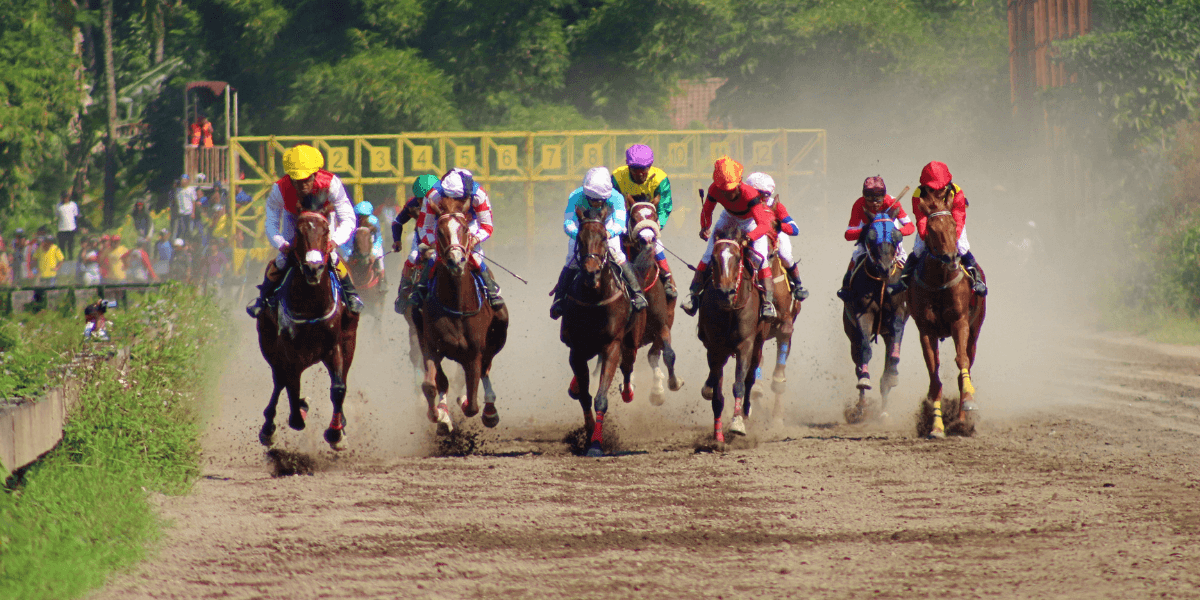
On May 2, 2026, the United States once again turned its attention to one of its most enduring cultural events, the Kentucky Derby. Held at the historic Churchill Downs in Louisville, Kentucky, the Derby marked its 152nd running, continuing a legacy that dates back to 1875. Known as “The Most Exciting Two Minutes in Sports,” the event transcends horse racing, serving as a vibrant celebration of fashion, music, and Southern tradition.
The Kentucky Derby is the first leg of the Triple Crown of Thoroughbred Racing and consistently draws national and international audiences. The 2026 edition attracted tens of thousands of spectators on-site, with millions more tuning in via television and streaming platforms. This sustained popularity underscores the Derby’s position as a cornerstone of American cultural life.
A Showcase of Tradition and Pageantry
Beyond the race itself, the Derby is renowned for its elaborate traditions. Attendees arrived dressed in their finest spring attire, with extravagant hats and colorful ensembles dominating the scene. The infield and grandstands offered contrasting experiences, from high-energy festivities to refined hospitality suites, yet both contributed to the event’s distinctive atmosphere.
Music also played a central role in the day’s programming. The traditional singing of “My Old Kentucky Home,” performed as the horses approached the starting gate, once again provided an emotional prelude to the race. Live performances and celebrity appearances throughout the day added to the entertainment value, reinforcing the Derby’s crossover appeal between sports and the arts.
The Race and Its Broader Impact
While the race itself lasts only about two minutes, its economic and cultural impact is far-reaching. The Kentucky Derby generates significant revenue for the city of Louisville and the state of Kentucky through tourism, hospitality, and related industries. Derby Week activities, including the Kentucky Oaks and ancillary events, contribute hundreds of millions of dollars annually to the local economy.
The 2026 race featured a competitive field of three-year-old Thoroughbreds, each vying for a place in racing history. The event highlights not only the competition but also the dedication of trainers, jockeys, and breeders who prepare for months, often years, for this moment. Their work underscores the Derby’s role as a pinnacle of achievement within the equestrian world.
Cultural Significance in Entertainment and Media
For an entertainment and culture audience, the Kentucky Derby represents a unique intersection of sport and spectacle. Media coverage extends beyond race analysis to include fashion critiques, celebrity appearances, and social trends. The event has become a platform where style and storytelling take center stage alongside athletic performance.
In recent years, the Derby has also embraced digital engagement. Social media platforms allow audiences to share real-time reactions, photos, and commentary, broadening the event’s reach and making it more accessible to global viewers. This digital presence has helped maintain the Derby’s relevance among younger audiences.
Key Takeaways for Audiences
Several insights emerge from the 2026 Kentucky Derby that are relevant to readers interested in culture and entertainment:
- Enduring Traditions: The Derby’s longevity demonstrates the power of tradition in maintaining public interest across generations.
- Cultural Convergence: The event illustrates how sports can serve as a platform for broader cultural expression, integrating fashion, music, and social interaction.
- Economic Influence: Large-scale cultural events can significantly boost local economies and tourism.
- Media Evolution: The Derby’s adaptation to digital platforms highlights how legacy events can evolve while preserving their core identity.
Conclusion
The 2026 Kentucky Derby reaffirmed its status as more than just a horse race. It is a living cultural institution that reflects tradition, creativity, and communal celebration. By blending athletic competition with artistic expression and social engagement, the Derby continues to captivate audiences and maintain its relevance in today’s entertainment landscape.

Artist Highlight Contributor
Covers live culture and emerging artists, tracking the galleries, festivals, and stages where new work arrives first.
This article features partner, contributor, or branded content from a third party. Members of the Artist Highlight editorial staff were not involved in the creation of this content. All views and opinions are those of the contributor alone.
You May Also Like
From the USA to Europe: Beauty is Art Takes Its Gallery Format for Beauty Artists to France

Aquarian Renegal Turns Dark Romance Into A Fearless Literary Playground
AFI FEST 2026 Unveils 157 Film Lineup For Its 40th Edition In Hollywood
Queensbridge Turns A Sold Out Festival Debut Into A New Three Week New York Run
Pearl Jam Returns to the Stage at Ohana Festival With a New Live Chapter