Spring Takes Center Stage: The 2026 National Cherry Blossom Festival Blooms in Washington, D.C.
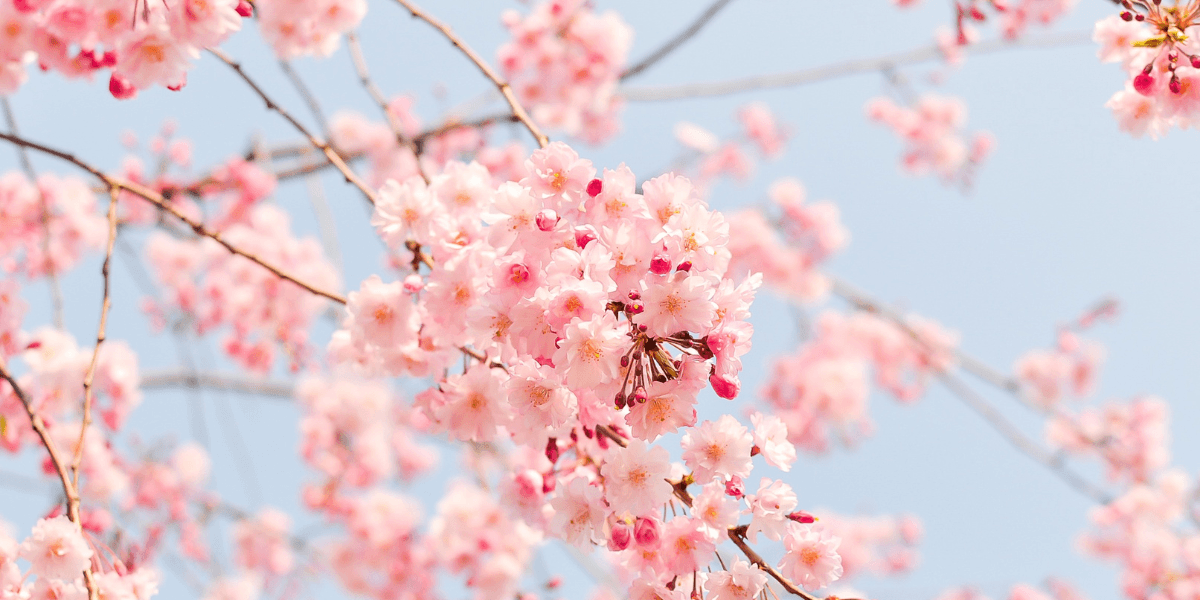
Spring has officially arrived in the nation’s capital as the 2026 National Cherry Blossom Festival enters its second week of celebrations, bringing renewed energy to Washington, D.C.’s cultural calendar and drawing visitors from across the country. Running from March 20 through April 12, 2026, this year’s festival marks a continuation of one of America’s most iconic seasonal traditions.
Each year, the festival commemorates the 1912 gift of cherry trees from Tokyo to the United States, a gesture of goodwill that has blossomed into a cultural mainstay and major spring attraction. The trees that line the Tidal Basin and surrounding parks burst into soft pink and white blooms each March, symbolizing renewal and the beauty of nature.
A Celebration of Culture, Art, and Community
The 2026 iteration of the festival features an expansive roster of events designed to appeal to diverse audiences, from families to art lovers to seasonal travelers. These include cultural performances, exhibitions, live music, guided tours, food experiences, and community activities. Highlights scheduled throughout the four‑week celebration include performances at national museums, outdoor art installations, dance showcases, and traditional Japanese cultural experiences.
On March 23, the festival’s official program includes ongoing exhibitions such as “Illusions in Bloom” and celebratory activities at institutions like the National Museum of Asian Art, where the season’s theme of cultural exchange and artistic expression takes center stage.
In addition to official festival programming, many museums and galleries across Washington host complementary events and family‑friendly workshops. Special programming at the Smithsonian American Art Museum ties into the festival with themed performances, craft activities, and exhibits that reflect both American and global artistic traditions, further enriching the city’s cultural landscape during spring.
Significance and Cultural Impact
The National Cherry Blossom Festival is more than a seasonal landmark. It represents a longstanding diplomatic and cultural connection between the United States and Japan. The initial planting of cherry trees over a century ago helped establish one of the most beautiful annual celebrations in the U.S., drawing hundreds of thousands of visitors each year.
Today’s festival contributes significantly to local tourism and cultural engagement. As the blossoms approach **peak bloom, typically expected between late March and early April, the festival enhances Washington’s cultural offerings with outdoor performances, parades, and community gatherings that celebrate unity and artistic expression.
Economically, the event also plays a meaningful role in the city’s visitor economy. Springtime in Washington, with its picturesque blooms and dynamic cultural calendar, attracts tens of thousands of guests who support local businesses, restaurants, museums, and creative venues tied to the festival’s programs. These contributions highlight the integral role that arts and cultural festivals play in sustaining vibrant city life.
What’s Happening This Week
As of Monday, March 23, festival events continue throughout the city and on its popular waterfront areas:
- Ongoing exhibitions and celebrations at museums and cultural centers including Japanese art and history showcases.
- Interactive installations and workshops that invite visitors to engage creatively with tradition and spring themes.
- Family‑oriented activities and performances encouraging all ages to participate in seasonal festivities.
Anticipation continues to build toward upcoming marquee events, such as the Blossom Kite Festival and the National Cherry Blossom Parade, which are scheduled later in the festival’s run.
A Tradition Rooted in Beauty and Friendship
The National Cherry Blossom Festival stands as a unifying cultural moment in the United States, one that blends horticultural beauty with artistic celebration and historical significance. As flowers continue to bloom across the capital, festival programming serves as a reminder of how natural cycles can inspire community connection and creative expression.
For audiences interested in experiencing art, culture, and celebration under the springtime blossoms, the festival’s events through early April offer a rich program of performances, exhibits, and shared public experiences that resonate with both longtime festival attendees and newcomers alike.

Artist Highlight Contributor
Covers live culture and emerging artists, tracking the galleries, festivals, and stages where new work arrives first.
This article features partner, contributor, or branded content from a third party. Members of the Artist Highlight editorial staff were not involved in the creation of this content. All views and opinions are those of the contributor alone.
You May Also Like
American Symphony Orchestra’s “New York Resounds” Finds Power in Reflection and Resilience
Jhené Aiko Returns With Westside Whimsy, Her First Album in Six Years

NextNOW Fest 2026 Opens at University of Maryland With a Week of Art, Music and Creative Experiences
Florida Indie Band Shy Blossom Steps Into the Spotlight With “Eternity”

Zach Randles-Friedman Makes Queer Stories Feel Human