Smithsonian Folklife Festival 2026 Opens in Washington With a Celebration of American Cultural Traditions
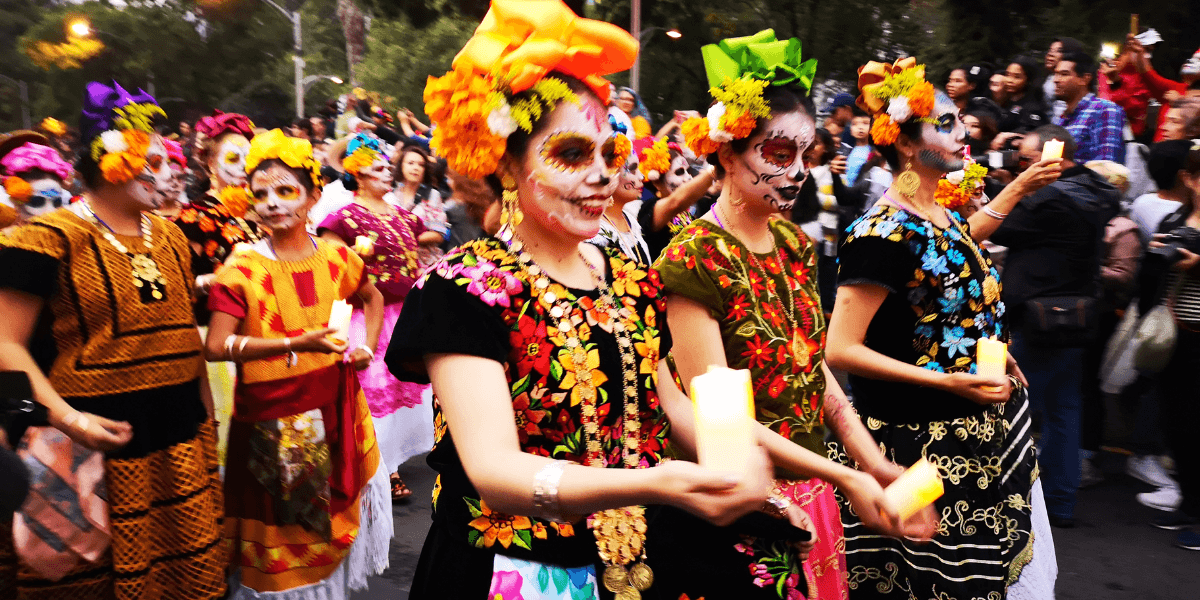
On May 26, 2026, preparations and opening events for the annual Smithsonian Folklife Festival began in Washington, D.C., launching another edition of one of the United States’ most recognized cultural heritage celebrations. Organized by the Smithsonian Center for Folklife and Cultural Heritage, the festival once again transformed the National Mall into a public gathering space dedicated to music, traditional arts, storytelling, food culture, and community-based creative expression.
The Smithsonian Folklife Festival has long served as a major platform for showcasing living cultural traditions from across the United States and around the world. Since its founding in 1967, the event has become known for presenting artists, musicians, craftspeople, and performers whose work reflects regional identity, historical preservation, and evolving creative practices. The 2026 festival continued that tradition by highlighting a broad range of cultural voices and collaborative performances.
This year’s programming focused heavily on the intersection of heritage and contemporary creativity. Festival organizers emphasized how traditional artistic practices continue influencing modern music, film, fashion, and media culture. Through live demonstrations, workshops, performances, and public discussions, attendees were given opportunities to engage directly with creators representing multiple generations and artistic disciplines.
Among the festival’s most visible attractions were its live music stages, which featured performances from folk musicians, Indigenous artists, jazz ensembles, regional dance groups, and multicultural collaborations. Organizers designed the performances not only as entertainment but also as educational experiences that introduced audiences to the historical roots and social importance of each tradition being presented.
The event also placed significant emphasis on craft and visual storytelling. Artisans demonstrated techniques connected to textile work, woodworking, ceramics, printmaking, and community mural projects. These exhibitions reflected the growing public interest in handmade art forms and sustainable creative practices, particularly among younger audiences seeking more direct engagement with cultural production.
One notable aspect of the 2026 festival was its continued integration of digital media and interactive programming. While the Smithsonian Folklife Festival is historically rooted in live public gathering, organizers expanded online access through livestreams, recorded interviews, and digital exhibits. This hybrid approach allowed broader audiences across the country to participate in performances and discussions even if they could not attend in person in Washington.
The festival’s location on the National Mall contributed to its symbolic significance. Positioned between major national monuments and Smithsonian museums, the event connected contemporary cultural expression with the broader story of American identity and historical memory. The setting reinforced the festival’s mission of preserving and celebrating traditions that shape public life across communities.
For the entertainment and media industries, the Smithsonian Folklife Festival continues to serve as an important reminder of the relationship between mainstream culture and local creative traditions. Many forms of contemporary entertainment — including popular music genres, fashion trends, and visual media aesthetics — trace their roots to folk practices and regional artistic movements. By highlighting these origins, the festival provides valuable cultural context often overlooked in commercial entertainment coverage.
The 2026 edition also reflected the growing importance of cultural preservation in the digital era. As social media and streaming platforms accelerate global cultural exchange, events like the Smithsonian Folklife Festival help preserve artistic traditions that might otherwise receive limited visibility. The festival’s educational programming encouraged audiences to consider how communities maintain cultural identity while adapting to technological and social change.
Food culture remained another central part of the festival experience. Culinary demonstrations and regional food presentations introduced visitors to dishes connected to local traditions and immigrant communities across the United States. Organizers framed food not only as entertainment but also as a form of storytelling that reflects migration, history, and family heritage.
Another important theme throughout the event was intergenerational collaboration. Younger artists performed alongside established tradition bearers, demonstrating how cultural practices continue evolving rather than remaining fixed in the past. This balance between preservation and innovation has become one of the defining characteristics of the Smithsonian Folklife Festival over the years.
Audience participation also played a key role in the festival atmosphere. Visitors were encouraged to engage with performers and artists through workshops, discussions, and interactive demonstrations. This approach distinguished the event from more passive entertainment experiences by emphasizing dialogue and community engagement.
From a broader cultural perspective, the 2026 Smithsonian Folklife Festival highlighted the enduring importance of public arts programming in American society. At a time when much entertainment is consumed individually through digital devices, the festival created opportunities for collective cultural experience and face-to-face artistic exchange.
The opening of the 2026 festival ultimately reinforced the Smithsonian Institution’s long-standing role in preserving and presenting cultural heritage through accessible public programming. By combining music, visual arts, storytelling, and education within a shared public space, the Smithsonian Folklife Festival continued to demonstrate how cultural events can both entertain audiences and deepen public understanding of artistic traditions that shape contemporary American life.

Artist Highlight Contributor
Covers live culture and emerging artists, tracking the galleries, festivals, and stages where new work arrives first.
This article features partner, contributor, or branded content from a third party. Members of the Artist Highlight editorial staff were not involved in the creation of this content. All views and opinions are those of the contributor alone.
You May Also Like

Elizabeth Roman: The System Behind Creator Management
When a Chatbot Dialogue Became a Human Journey
Will's Wake: A Haunting Debut Novel About Friendship, Family, and the Fractures of the Mind
From the USA to Europe: Beauty is Art Takes Its Gallery Format for Beauty Artists to France
Anina Major Brings The Sacred Mangrove To Pérez Art Museum Miami