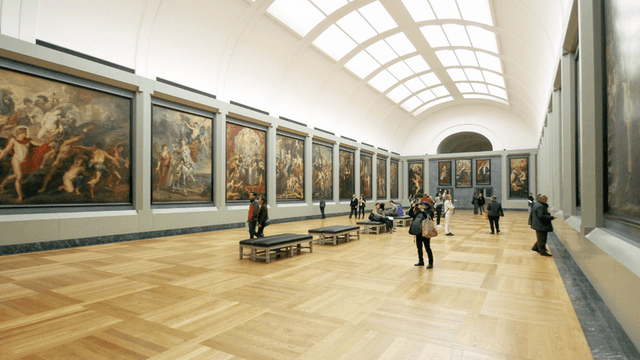
The 2026 Met Gala Reinforces Fashion’s Growing Influence on Art and Popular Culture
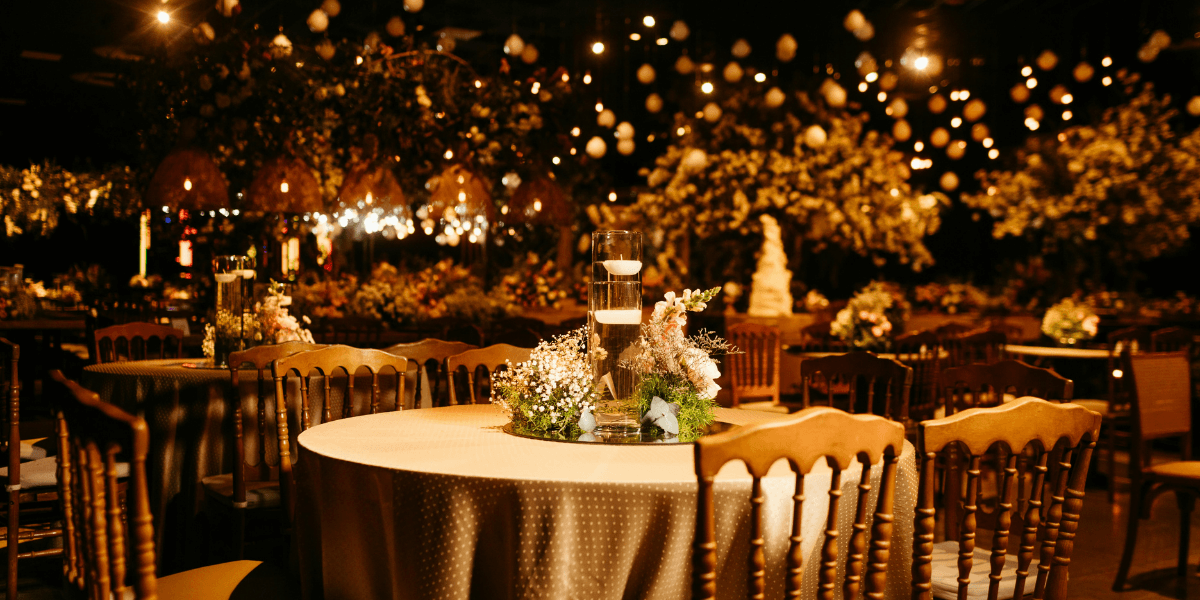
One of the most significant cultural events in the United States this month has been the 2026 Met Gala and the launch of the Metropolitan Museum of Art’s new “Costume Art” exhibition in New York City. Held at the Metropolitan Museum of Art on May 4, the annual gala once again demonstrated the powerful connection between fashion, celebrity culture, music, film, and visual art while raising millions of dollars for the museum’s Costume Institute. The event continues to shape conversations across entertainment, media, and contemporary culture throughout May 2026.
The 2026 Met Gala carried the theme “Fashion Is Art,” tied directly to the museum’s accompanying “Costume Art” exhibition. The exhibition explores how clothing and the dressed body have appeared throughout thousands of years of artistic history. The exhibition also marks the opening of the museum’s new Condé Nast Galleries, a major addition to the Costume Institute’s exhibition space.
This year’s gala featured an influential lineup of co-chairs that included Beyoncé, Nicole Kidman, Venus Williams, and longtime Met Gala organizer Anna Wintour. Their involvement reflected the increasingly interdisciplinary nature of the event, which now bridges music, cinema, sports, fashion, and fine art. The host committee also included notable figures from entertainment and culture such as Sabrina Carpenter, Sam Smith, Zoë Kravitz, Angela Bassett, Doja Cat, and Misty Copeland.
Traditionally held on the first Monday in May, the Met Gala serves as the primary fundraiser for the Metropolitan Museum of Art’s Costume Institute. The event has evolved far beyond a museum benefit into one of the most closely watched nights in global entertainment. Millions of viewers followed the 2026 red carpet livestream through digital platforms and social media channels, where celebrities showcased elaborate interpretations of the “Fashion Is Art” dress code.
Fashion critics and entertainment journalists noted that many attendees embraced the theme by drawing inspiration from paintings, sculptures, historical portraits, and avant-garde design concepts. Outfits ranged from museum-inspired couture gowns to experimental silhouettes intended to resemble living artwork. Coverage surrounding the event emphasized craftsmanship and artistic storytelling rather than simply celebrity spectacle.
The cultural importance of the gala extends beyond fashion trends. The event has become a platform where entertainment industries intersect, giving musicians, actors, designers, photographers, and artists a shared global stage. Analysts have also pointed to the economic impact generated by the event, including tourism, luxury fashion marketing, digital media engagement, and sponsorship activity connected to New York City’s creative industries.
The 2026 edition also drew attention because of its broad support from major cultural and commercial partners, further emphasizing the commercial and artistic value attached to the event. As fashion continues to influence mainstream entertainment and media, the Met Gala remains one of the clearest examples of how style and artistic expression can drive global cultural conversations.
Another notable aspect of this year’s gala was the increased focus on fashion as a legitimate artistic discipline. Curators involved with the “Costume Art” exhibition explained that the showcase was designed to position garments alongside paintings, sculptures, and historical artifacts as equally important forms of creative expression. This reflects a broader shift in museums and cultural institutions worldwide, where fashion exhibitions increasingly attract younger audiences and significant public interest.
Entertainment commentators also observed how the Met Gala continues to influence popular culture long after the event itself concludes. Red carpet images, celebrity interviews, and fashion analyses generated extensive online discussion throughout May 2026. Designers whose work appeared at the gala immediately received increased international visibility, while musicians and actors used the event to reinforce their personal artistic identities.
For audiences interested in film, music, and creative industries, the 2026 Met Gala offered more than celebrity appearances. It demonstrated how visual presentation, performance, and artistic collaboration remain central to modern entertainment culture. The event also reinforced New York City’s role as one of the world’s leading cultural capitals, capable of hosting events that unite multiple creative disciplines under one internationally recognized platform.
As the “Costume Art” exhibition continues at the Metropolitan Museum of Art through early 2027, cultural observers expect its themes to influence fashion editorials, performance design, film costume work, and museum programming in the months ahead. The lasting conversation surrounding the 2026 Met Gala highlights the continuing ability of cultural institutions and entertainment figures to shape global creative trends through collaborative artistic events.

Artist Highlight Contributor
Covers live culture and emerging artists, tracking the galleries, festivals, and stages where new work arrives first.
This article features partner, contributor, or branded content from a third party. Members of the Artist Highlight editorial staff were not involved in the creation of this content. All views and opinions are those of the contributor alone.
You May Also Like
NOCO Dance Intensive Teaches the Skills Behind a Dance Career
Elizabeth Roman: The System Behind Creator Management
When a Chatbot Dialogue Became a Human Journey

Will's Wake: A Haunting Debut Novel About Friendship, Family, and the Fractures of the Mind
From the USA to Europe: Beauty is Art Takes Its Gallery Format for Beauty Artists to France