
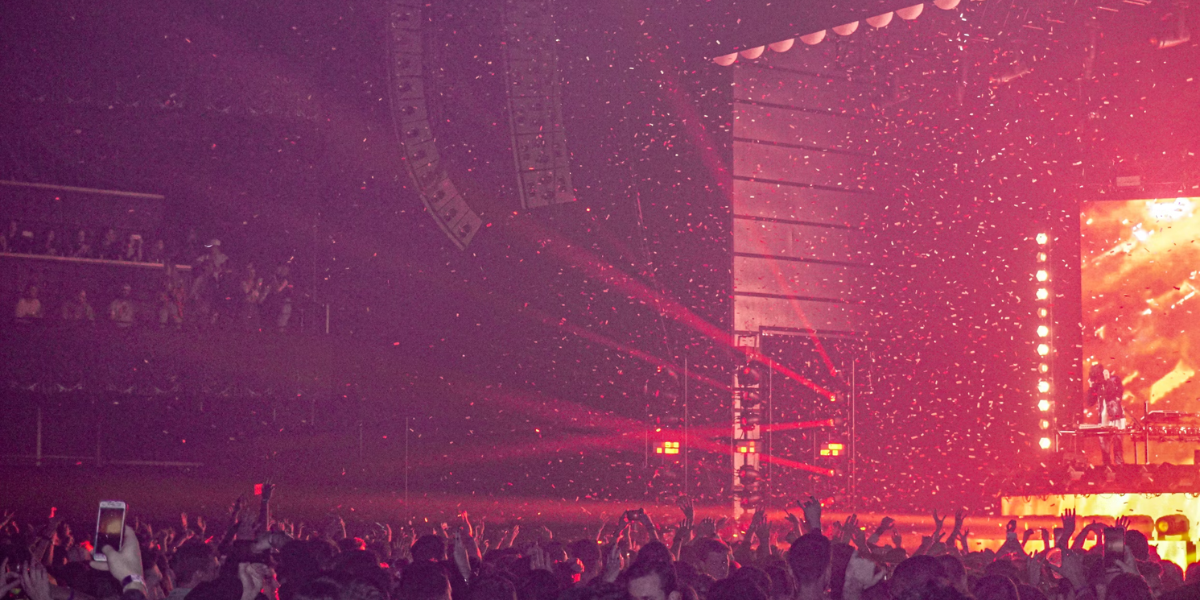
On March 28, 2026, the iHeartRadio Music Awards 2026 took center stage in Los Angeles, bringing together some of the most influential figures in contemporary music. The annual event, known for celebrating the most-played artists and songs across iHeartRadio stations and its digital platforms, delivered a night that highlighted both established superstars and emerging talent shaping the future of the industry.
Held at the Dolby Theatre, the ceremony reflected evolving trends in music consumption, fan engagement, and cross-genre collaboration. Unlike traditional awards shows that rely heavily on industry voting panels, the iHeartRadio Music Awards are largely driven by real-world airplay data and listener interaction, making the winners a direct reflection of audience preferences.
A Night of Major Wins and Standout Performances
Several high-profile artists dominated the evening, with multiple awards recognizing chart-topping hits and consistent radio presence throughout the past year. Categories such as Song of the Year, Artist of the Year, and Best Collaboration underscored the continued influence of streaming platforms and viral music trends.
Live performances remained a defining feature of the event. A mix of high-energy pop productions, stripped-down acoustic sets, and genre-blending collaborations showcased the diversity of today’s music landscape. Performances were designed not only for the in-person audience but also for digital viewers, with production elements optimized for social media sharing and streaming platforms.
Notably, several rising artists received significant recognition during the ceremony, signaling a shift toward broader industry inclusivity. These emerging acts, many of whom gained popularity through platforms like TikTok and YouTube, demonstrated how digital discovery continues to reshape traditional pathways to success in the music business.
The Rise of Fan-Driven Music Culture
One of the most important takeaways from the 2026 ceremony is the growing role of fan engagement in determining success. Many awards included fan-voted categories, reinforcing the idea that audience participation is now central to an artist’s career trajectory.
Industry analysts have noted that radio airplay, once the dominant metric of success, now works alongside streaming numbers, social media engagement, and user-generated content. According to reports from Billboard and iHeartMedia, songs that achieve strong cross-platform performance tend to dominate both charts and award shows.
This fan-driven ecosystem was evident in the winners’ acceptance speeches, which frequently acknowledged online communities and global fanbases. The shift highlights a more interactive relationship between artists and listeners, where fans actively contribute to an artist’s visibility and longevity.
Genre Blending and Collaboration Trends
Another defining theme of the night was the continued rise of genre-blending collaborations. Pop, hip-hop, R&B, country, and electronic music increasingly overlap, producing hybrid sounds that appeal to wider audiences.
Several award-winning tracks featured collaborations between artists from different genres, emphasizing the commercial and creative benefits of cross-genre partnerships. Industry experts from sources such as Rolling Stone have pointed out that these collaborations often perform better on streaming platforms, where algorithm-driven recommendations reward diverse listening habits.
This trend reflects a broader cultural shift in how audiences consume music. Rather than adhering to specific genres, listeners are more inclined to explore varied sounds, creating opportunities for artists to experiment and expand their reach.
Technology’s Influence on Music Promotion
The 2026 iHeartRadio Music Awards also highlighted how technology continues to shape music promotion and distribution. Artists increasingly rely on short-form video platforms, live streaming, and interactive content to connect with fans.
Behind the scenes, data analytics play a critical role in identifying trends and guiding promotional strategies. Music executives use real-time insights to determine which songs gain traction and how audiences respond to new releases. According to industry coverage from the Associated Press, this data-driven approach has become essential for navigating an increasingly competitive market.
The awards show itself incorporated these technological elements, featuring interactive voting, social media integration, and digital-first content designed to engage viewers beyond traditional television broadcasts.
Cultural Impact and Industry Significance
Beyond recognizing individual achievements, the iHeartRadio Music Awards serve as a snapshot of the current state of the music industry. The 2026 edition underscored several key developments, including the democratization of music discovery, the importance of global audiences, and the blending of artistic styles.
The event also reinforced the idea that success in today’s music industry requires adaptability. Artists must balance creative expression with strategic engagement across multiple platforms, while also maintaining authenticity to connect with their audiences.
For emerging artists, the ceremony provided both inspiration and visibility. Being featured or nominated alongside established names can significantly boost an artist’s profile, opening doors to new opportunities such as collaborations, tours, and brand partnerships.
Key Takeaways for Audiences and Creators
For music fans, the awards highlighted the power of participation. Listener engagement directly influences which artists rise to prominence, making fans active contributors to the industry’s direction.
For creators, the event emphasized the importance of versatility and digital presence. Success is no longer defined solely by traditional metrics like album sales or radio play. Instead, it requires a combination of strong content, audience connection, and adaptability to evolving platforms.
As the music industry continues to evolve, events like the iHeartRadio Music Awards remain an important benchmark for tracking trends and celebrating creativity. The 2026 ceremony not only honored the year’s biggest hits but also offered a clear view of where music culture is headed, driven by innovation, collaboration, and the ever-growing influence of global audiences.
