
Big Bus Dream Turns Feeling Into Sound
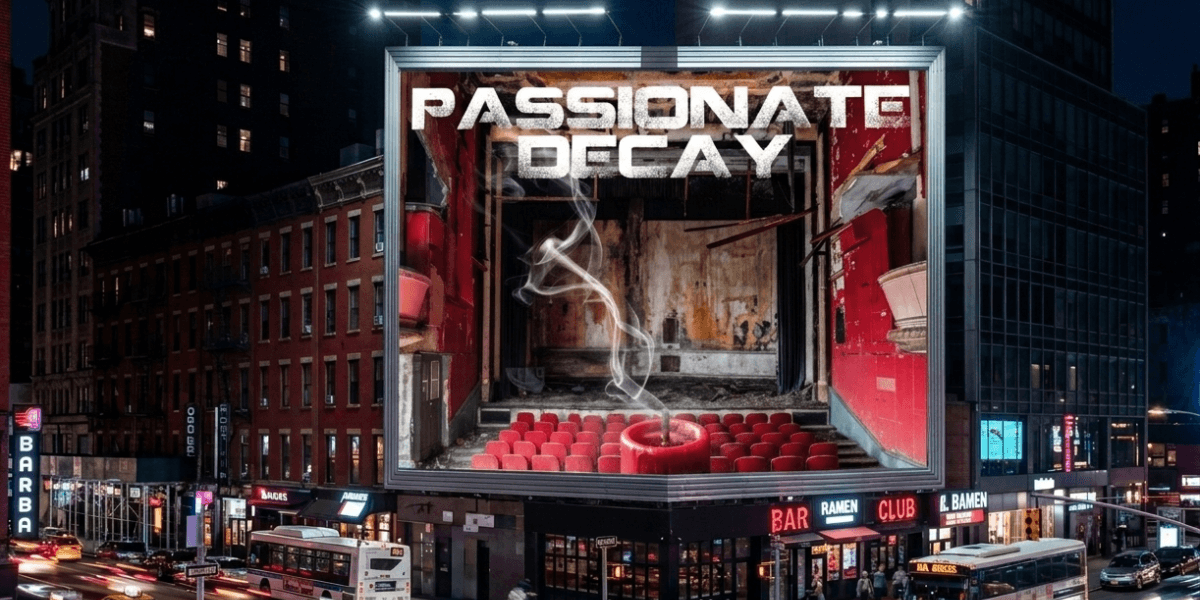
Big Bus Dream invites listeners into a song that lingers long after the screen goes dark.
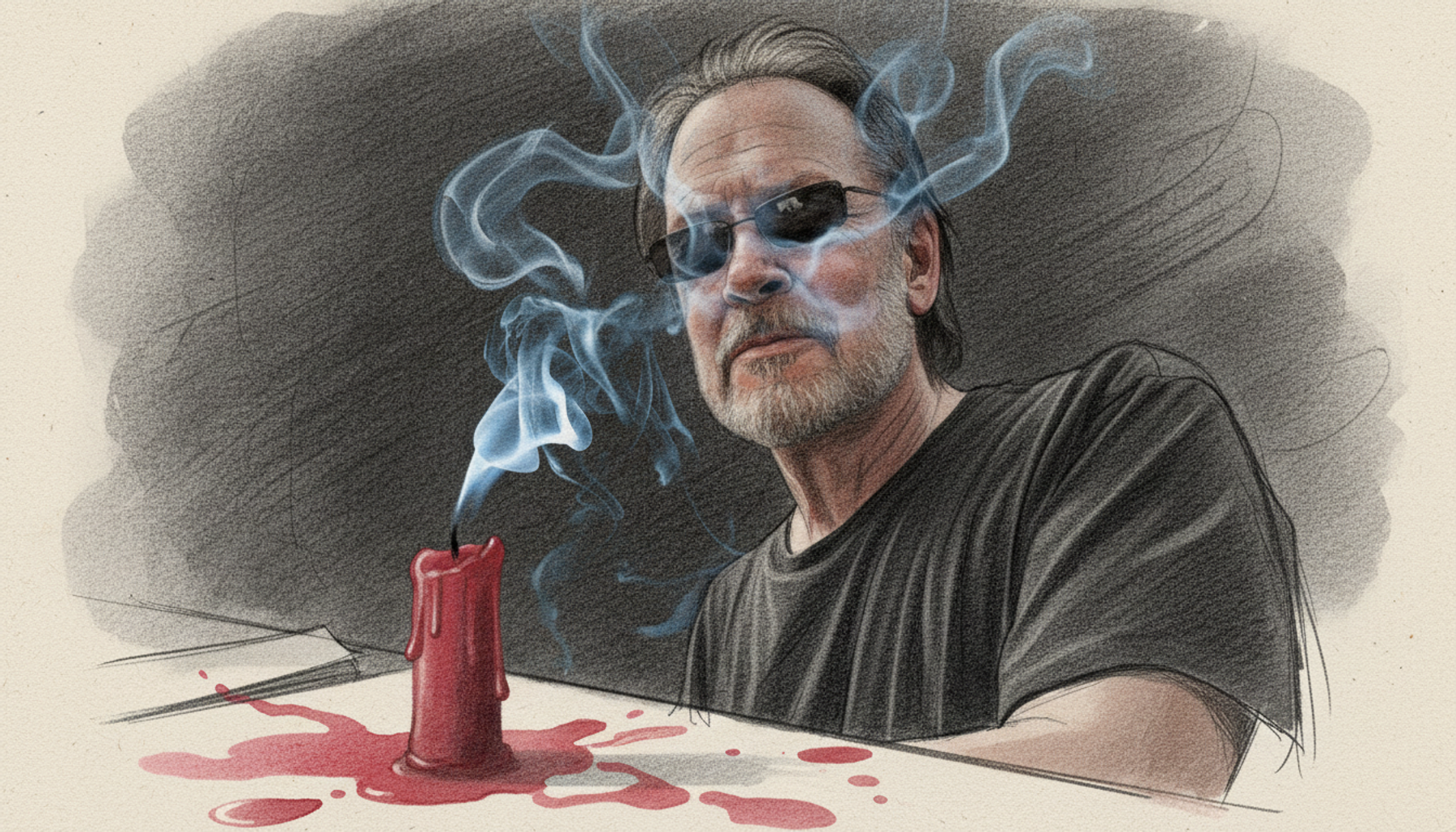
The first thing that matters about “I’m Not Alright” is not its title. It is the pause it creates. A listener presses play expecting another song, another clip, another passing moment online. Instead, Big Bus Dream offers something more demanding and more generous. The music asks for attention. The video slows the room. For a few minutes, the usual noise drops away, and what remains is feeling in its rawest form. That is the power at the center of Michael Shannon’s work. He is not chasing distractions. He is creating a reason to stop, look, listen, and think.
The Big Bus Dream Mission
Big Bus Dream has always lived in that rare space where music does more than entertain. The project, led by owner Michael Shannon, is built around atmosphere, memory, and emotional honesty. On the surface, the brand is an artist site promoting the album Passionate Decay. Yet the deeper story is about persistence and expression. It is about making music that does not flatten experience into easy slogans. It is about giving listeners songs that feel lived in.
That mission is evident across the Big Bus Dream platform. Visitors find a full artist world rather than a single promotional page. There is music, a player with track listings, lyrics, videos, photos, updates, and a featured focus on songs such as “No Longer Me, No Longer You.” There is also a direct path into the album itself, with Passionate Decay presented not as disposable content but as a body of work meant to be explored. In a culture built on skipping ahead, Big Bus Dream still believes in staying with a song long enough for it to reveal itself.
Choosing Depth Over Formula
That belief is part of what makes Big Bus Dream distinct today. Many artists are pushed toward the shortest path to attention. The formulas are familiar. Hook fast. Simplify the message. Repeat what already works. Big Bus Dream takes a less obvious route. The differentiator, as the intake suggests, is a more original approach shaped by time, perspective, and a willingness to let music breathe. That matters because listeners can hear the difference between a calculated product and a piece of art that carries weight.
“I’m Not Alright” feels like an example of that choice. The title signals vulnerability, but the effect is larger than confession. The song and video evoke interior weather. There is ache in it, but also clarity. It does not beg for sympathy. It creates recognition. For the right listener, that is far more powerful. It says what many people struggle to say cleanly in their own lives. It gives shape to unease, distance, and the strange dignity of admitting that something is not settled.
This is where Michael Shannon’s work gains its edge. He is not offering polished emptiness. He is offering emotional texture. That can be harder to market quickly, but it is often what lasts. People return to art that reflects something true back to them. They share it because it feels personal. They remember it because it reached them before they had words for what they felt.
A World Built Around Passionate Decay
The album Passionate Decay strengthens that identity. Even the title suggests tension: beauty and erosion, urgency and aftermath, desire and loss. Big Bus Dream appears comfortable inside those contradictions. That is a creative advantage. Rather than forcing every song into one mood or one commercial lane, the project builds a fuller emotional landscape. The website supports that impression by combining store functions, media, lyrics, and personal updates into one experience. It does not feel sterile. It feels inhabited.
That human presence matters. Independent music often rises or falls on whether audiences sense a real person behind the work. Big Bus Dream does. The site navigation, from “Take a Ride on the Bus” to “New Videos” and “Photo Gallery,” suggests a continuing journey rather than a static catalog. The inclusion of lyrics invites closer reading. The gallery and videos provide visual context. Even the blog-like ramblings add something valuable: personality. Together, these elements tell visitors that Big Bus Dream is not simply releasing tracks. It is building a world with its own tone, memory, and rhythm.
For readers discovering Big Bus Dream for the first time, that world is the invitation. You do not need a sales pitch to understand the appeal. If “I’m Not Alright” catches your attention, there is more to uncover. If the mood of Passionate Decay resonates, there are lyrics to read, songs to revisit, and visuals that deepen the experience. This is how lasting artist brands are built. Not through noise, but through coherence.
Why Big Bus Dream Stays With You
The strongest creative brands do one thing especially well: they make people feel seen without reducing them to a demographic. Big Bus Dream achieves that through restraint and sincerity. The songs do not seem designed to overwhelm with spectacle. They draw listeners in through mood, reflection, and emotional precision. That slower burn can be more effective than instant intensity because it creates a relationship rather than a reaction.
There is also something timely about this approach in 2026. Audiences are surrounded by content optimized for speed, outrage, and forgettability. Against that backdrop, Big Bus Dream stands apart by making room for contemplation. “I’m Not Alright” is not memorable because it shouts louder than everything else. It is memorable because it dares to be felt. That alone gives the project authority. It suggests confidence in the material and respect for the audience.
For Michael Shannon, that may be the clearest measure of success. Big Bus Dream does not ask listeners to consume and move on. It asks them to engage. To return. To notice what rises in them when the music plays. That is a different kind of value, and it is the kind that often builds loyal audiences over time. People may arrive through a single video, but they stay because the work gives them something rare: emotional resonance without pretense.
Explore More About Big Bus Dream
If “I’m Not Alright” sparks your curiosity, spend time with Big Bus Dream where the full story unfolds through music, lyrics, and visuals. Visit the official site first, then follow the project across its core platforms to hear more from Passionate Decay, watch the featured video, and stay close to new releases that reward careful listening.
Connect with Big Bus Dream, YouTube, Twitter, Instagram, and Facebook.

Artist Highlight Contributor
Covers music and the artists behind it, from studio craft to the release that finally breaks through.
This article features partner, contributor, or branded content from a third party. Members of the Artist Highlight editorial staff were not involved in the creation of this content. All views and opinions are those of the contributor alone.
You May Also Like

Aquarian Renegal Turns Dark Romance Into A Fearless Literary Playground

AFI FEST 2026 Unveils 157 Film Lineup For Its 40th Edition In Hollywood
Queensbridge Turns A Sold Out Festival Debut Into A New Three Week New York Run

Pearl Jam Returns to the Stage at Ohana Festival With a New Live Chapter
Forgotten Island Brings Filipino Folklore And Friendship To The Big Screen