
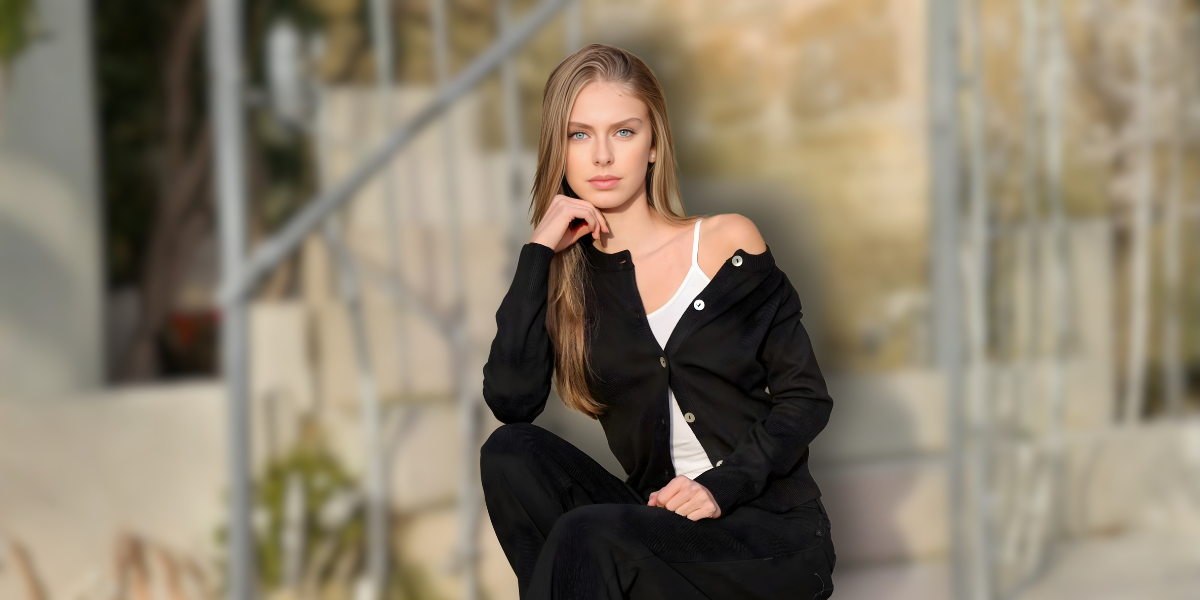
In an era of curated perfection and AI-generated content, 15-year-old Nelly Opitz is leading the charge in redefining digital authenticity.
Nelly Opitz: Redefining What It Means to Be “Real” Online
In a world where every moment can be filtered, polished, and staged, the concept of “realness” has become increasingly difficult to pin down. With social media platforms showcasing everything from perfectly curated selfies to algorithm-driven feeds, the line between genuine and fabricated has never been blurrier. But 15-year-old model and rope-skipping champion Nelly Opitz is challenging the notion of what it means to be “real” online, and she’s doing it in the simplest, most grounded way possible.
Opitz, hailing from Frankfurt, Germany, isn’t the type of creator who constantly seeks the spotlight. She doesn’t chase viral trends or curate every moment of her life to fit the mold of what’s considered “shareable.” Instead, she lets her life unfold naturally, school, training, and everyday moments, without the pressure of perfection or digital manipulation. And in a time where authenticity is often measured by filters and likes, Opitz is a quiet but powerful example of what it means to be truly genuine online.
This mindset has made Opitz a fitting participant in a new working group, which is exploring the idea of “proof of presence” in an era dominated by synthetic media. The group’s goal is not to glorify a creator’s fame but to observe how digital presence can be grounded in real-life consistency and uncurated moments.

The Need for Authenticity in the Age of AI
With AI and digital tools making it easier than ever to create hyper-realistic images and videos, distinguishing between what’s real and what’s fabricated has become an ongoing challenge. This growing concern has sparked a global effort to establish a more nuanced understanding of digital authenticity, with the working group focusing on a fresh concept: “proof of presence.”
Unlike traditional notions of identity, which often rely on surface-level traits like appearance and fame, the working group’s exploration dives deeper. It’s asking creators to demonstrate that their digital life aligns with their physical one, that their online presence is backed by real, verifiable experiences, not just algorithms or curated moments.
This is where Opitz comes in. She wasn’t selected for her popularity or social media reach but because her digital footprint reflects something more important: her consistency. While others may focus on perfecting their online personas, Opitz’s digital presence is grounded in the everyday, the routine, and the genuine.
Nelly Opitz’s Journey: Living Realness in a Filtered World
For Opitz, being “real” online isn’t about chasing trends or gaining followers. It’s about showing up every day as she is. Whether it’s practicing rope skipping, attending school, or spending time with family, Opitz’s social media accounts reflect a life that isn’t artificially constructed for engagement. Her posts feature natural lighting, spontaneous moments, and glimpses into her everyday life, all the things that make her relatable in an age of highly produced content.
Her approach to authenticity is rooted in a deep understanding of her own identity, something that Opitz believes is essential for anyone trying to maintain their true self in the digital world. “I don’t see it as complicated,” she says in a recent interview. “They want to see what my actual routine looks like. Not just the big moments but the real, everyday stuff, training, school, whatever. I can show that.”
Her ability to maintain a digital presence that doesn’t demand curation or perfection is exactly what sets her apart. Opitz’s digital footprint is an ongoing story of her life, not just a highlight reel designed for validation. And for Opitz, that’s more than enough.
The Working Group’s Mission: Creating a New Framework for Digital Trust
The working group, which consists of experts from various cultural institutions, is focused on creating a new framework for digital trust. It’s not about certifying authenticity or awarding badges for being “real”, it’s about establishing the understanding that digital presence requires more than just visibility. It requires continuity, verification, and consistency.
As the working group digs deeper into the dynamics of digital presence, it becomes clear that the new era of digital creators will need to prove their authenticity in ways that extend beyond aesthetics. Opitz, through her natural presence and unfiltered moments, is providing a case study in how young creators can maintain authenticity in an increasingly artificial world.
For the working group, the real challenge is identifying ways to observe continuity over time, a way to ensure that a person’s digital life is a true reflection of their lived experiences. And for Opitz, that record includes her everyday routine: hours of practice, study, and the occasional unpolished post that captures a fleeting moment of honesty.
What Does It Mean to Be “Real” in a Digital World?
Opitz’s approach to digital presence reflects a broader cultural shift toward valuing authenticity over perfection. As AI-generated content and hyper-curated feeds become the norm, the hunger for something more genuine, something unfiltered, has grown. Opitz represents the voice of a new generation of digital creators who are redefining what it means to “be real” in an online world that often feels too perfect.
For her, being real doesn’t mean chasing validation or appearing flawless. It’s about documenting her true self and her experiences, simple as they may be. “People want things to feel real again,” Opitz says. “Not perfect. Just real.” In a world where everything can be staged or manipulated, it’s Opitz’s unpolished, consistent presence that resonates with her followers, and with the working group studying authenticity.
Join Nelly Opitz in Redefining Digital Realness
As Opitz continues her journey, she is part of a growing movement that encourages creators to embrace authenticity in all its forms. Her ability to show up as her true self, without relying on filters or curation, sets a powerful example for other young creators navigating the complexities of digital identity.
If you want to see how Nelly Opitz is proving that realness can thrive in a world of filters, follow her journey on her social media accounts: Facebook – Nelly Opitz Official, Instagram – Nelly Opitz, and TikTok – Nelly Opitz.
By supporting digital authenticity, we can help create a more genuine online experience for future generations of creators. Join the conversation and help shape the future of online trust.
