Smithsonian Opens Landmark Exhibition Showcasing Digital Art’s Evolution
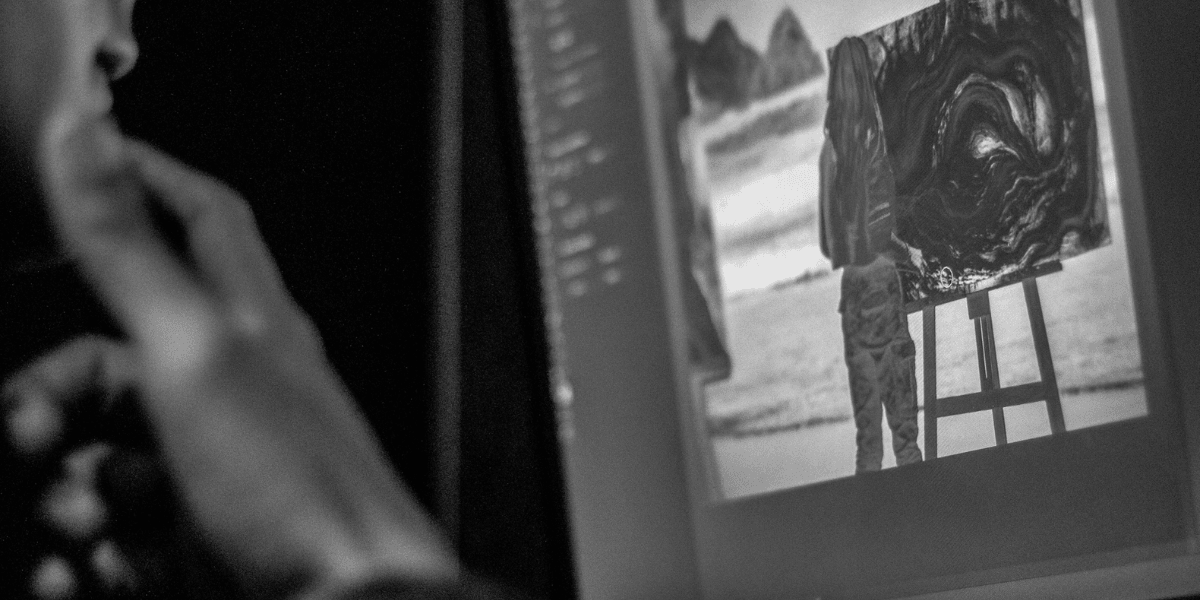
On April 8, 2026, the Smithsonian Institution in Washington, D.C., unveiled a major new exhibition titled “From Code to Canvas: The Evolution of Digital Art.” The exhibition marks one of the most comprehensive institutional showcases of digital artistry in the United States to date, bringing together works from early computer-generated experiments to today’s immersive, AI-assisted creative practices.
Hosted at the Smithsonian American Art Museum, the exhibition features more than 120 works by artists spanning multiple generations and disciplines. Curators describe the collection as a milestone effort to trace how digital tools have transformed artistic expression over the past five decades, while also highlighting the growing cultural relevance of digital-first creators in contemporary art spaces.
The exhibition includes early algorithmic drawings from the 1960s and 1970s, interactive installations from the 1990s, and cutting-edge multimedia experiences that incorporate real-time rendering, virtual environments, and generative systems. Notable contributors include pioneering digital artists as well as emerging creators who have gained recognition through online platforms and virtual exhibitions.
According to museum officials, the exhibition was developed over three years in collaboration with technologists, historians, and practicing artists. The goal was not only to showcase finished works but also to provide insight into the creative processes behind them. Visitors can explore interactive displays demonstrating how code, software, and hardware intersect with artistic vision, offering a behind-the-scenes look at how digital art is conceived and produced.
One of the exhibition’s central themes is accessibility. Unlike traditional art forms that often rely on physical materials and studio space, digital art has enabled a broader range of creators to participate in the artistic landscape. Curators emphasize that this democratization has led to a more diverse and global community of artists, many of whom are represented in the exhibition.
The event also reflects a broader shift within major cultural institutions toward recognizing digital media as a legitimate and influential art form. Historically, digital art struggled for acceptance within traditional museum settings, often viewed as secondary to painting, sculpture, or photography. However, recent years have seen increased institutional support, with museums investing in digital preservation, interactive installations, and new curatorial approaches.
In addition to static displays, “From Code to Canvas” features a series of live programming events, artist talks, and panel discussions scheduled throughout its run. These programs aim to foster dialogue between artists, audiences, and industry professionals, exploring topics such as the future of digital creativity, ethical considerations in technology-driven art, and the role of artificial intelligence in shaping artistic practices.
The exhibition arrives at a time when digital art is experiencing heightened visibility across multiple sectors, including entertainment, gaming, and media production. The integration of digital techniques into film, music visuals, and virtual performances has blurred the boundaries between artistic disciplines, making exhibitions like this particularly relevant to audiences interested in contemporary culture.
For emerging artists, the exhibition offers both inspiration and validation. By placing digital works within a prestigious institutional context, the Smithsonian reinforces the idea that digital artistry holds equal cultural and historical significance as more traditional forms. This recognition is expected to encourage further exploration and investment in digital mediums, both within and beyond the art world.
Educational components are also a key part of the exhibition. Interactive stations allow visitors, including students and aspiring artists, to experiment with basic digital art tools and concepts. These hands-on experiences are designed to make the field more approachable and to highlight the technical skills involved in creating digital works.
Museum representatives note that preserving digital art presents unique challenges compared to traditional media. Issues such as software obsolescence, hardware compatibility, and data integrity require ongoing attention. As part of the exhibition, the museum has included a section dedicated to digital preservation efforts, outlining how institutions are adapting to ensure that digital works remain accessible for future generations.
The launch of “From Code to Canvas” underscores the growing importance of digital culture in shaping contemporary artistic narratives. As technology continues to evolve, so too does the definition of art, expanding to include new forms of expression that reflect the changing ways people create and experience content.
Key takeaways from the exhibition include the recognition of digital art as a central component of modern culture, the increasing accessibility of creative tools, and the importance of preserving digital works for historical continuity. For audiences, the exhibition provides an opportunity to engage with art that not only reflects technological innovation but also captures the diverse perspectives of a new generation of creators.
The exhibition will run through late 2026, with organizers anticipating strong attendance from both local visitors and international audiences. Its debut marks a significant moment for the intersection of art and technology in the United States, highlighting how creativity continues to evolve alongside the tools that shape it.

Artist Highlight Contributor
Covers live culture and emerging artists, tracking the galleries, festivals, and stages where new work arrives first.
This article features partner, contributor, or branded content from a third party. Members of the Artist Highlight editorial staff were not involved in the creation of this content. All views and opinions are those of the contributor alone.
You May Also Like
American Symphony Orchestra’s “New York Resounds” Finds Power in Reflection and Resilience

Jhené Aiko Returns With Westside Whimsy, Her First Album in Six Years

NextNOW Fest 2026 Opens at University of Maryland With a Week of Art, Music and Creative Experiences

Florida Indie Band Shy Blossom Steps Into the Spotlight With “Eternity”

Zach Randles-Friedman Makes Queer Stories Feel Human