
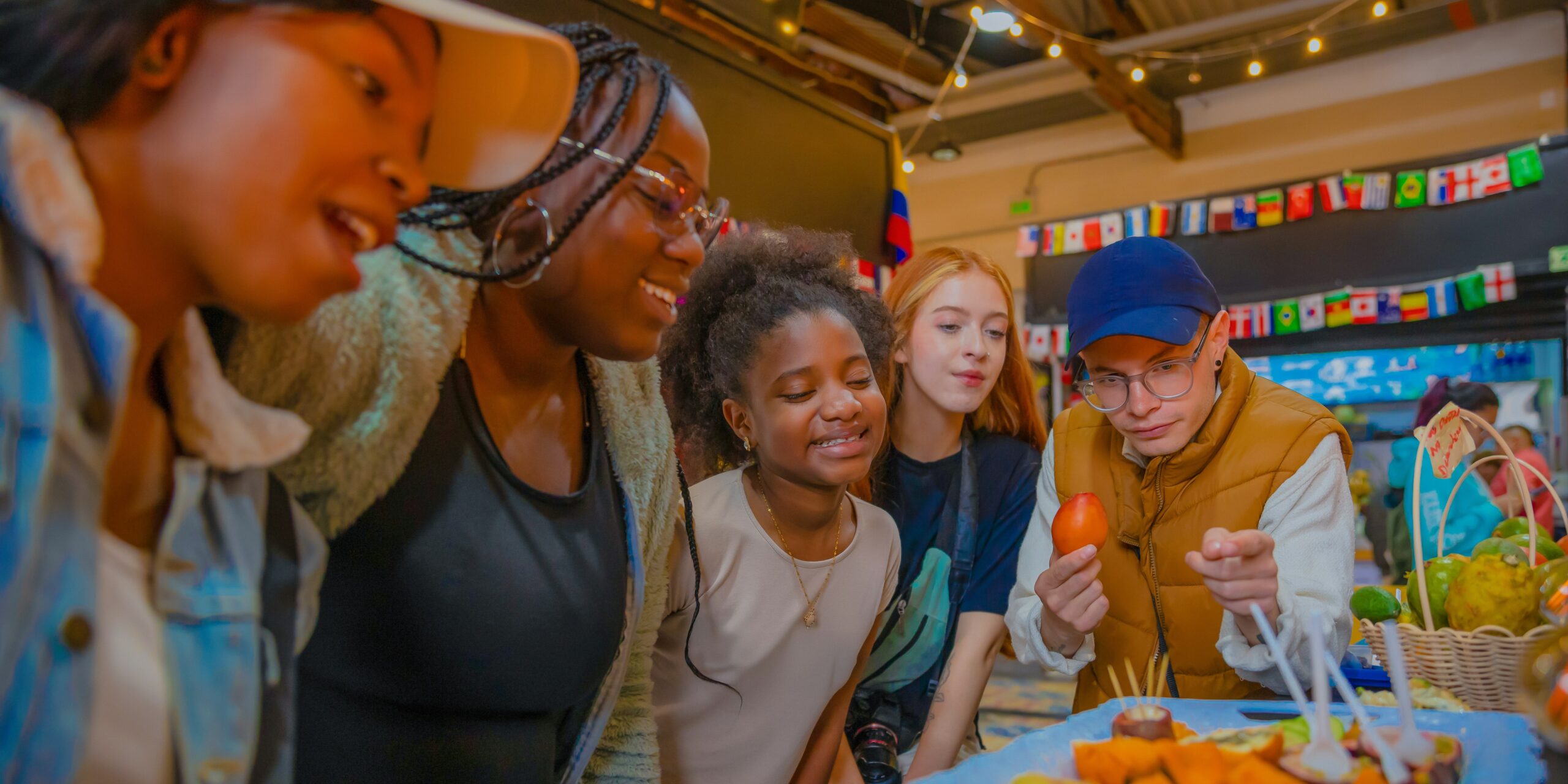
The 58th annual Smithsonian Folklife Festival, which ran from July 2 to 7, 2025, highlighted one of the most pressing and impactful cultural themes of our time: the influence and creativity of youth. Held on the National Mall in Washington, D.C., this year’s festival embraced the idea of “Youth and the Future of Culture,” showcasing the dynamic and innovative contributions of young people in shaping cultural traditions, artistic expression, and social movements.
Youth-Focused Programming: A Celebration of Innovation
This year’s festival featured a diverse array of activities, performances, and installations that celebrated the power of young people in modern cultural movements. The theme was a reflection of the growing importance of youth voices in global culture, and how young people are pushing boundaries in music, art, fashion, and social justice.
One of the festival’s most captivating installations was the Museum of Contemporary American Teenagers, which was a collaboration between Smithsonian curators and local high school students from Bethesda-Chevy Chase High School in Maryland. The museum included interactive exhibits that explored the lives of American teenagers today, diving into the complexities of modern adolescence and how technology, social pressures, and identity formation intersect.
One of the most poignant pieces in the museum was an exhibit centered around the 1999 Columbine shooting. A large padlock stood in front of a glass box, where visitors could only open it by entering the code “1999.” This installation captured the lasting impact of this tragedy on the millennial generation, highlighting themes of violence, fear, and resilience in youth culture.
Art, Music, and Cultural Expressions by Youth
In addition to the museum, the festival presented a full slate of performances, street art, and workshops. Music performances highlighted young artists who are shaping the sound of modern genres, including indie rock, hip-hop, and experimental electronica. Dance performances from youth groups across the country showcased the diverse styles that young people are infusing into traditional forms, blending hip-hop, contemporary, and even traditional folk dances.
Skateboarding exhibitions and lowrider car culture displays were also key features of the event. These cultural movements, rooted in youth subcultures, have continued to evolve and serve as platforms for creative self-expression. Visitors had the opportunity to participate in interactive art installations, engage with the youth performers, and attend workshops that taught skills like graffiti art, dance choreography, and the mechanics of lowrider customization.
Intergenerational Dialogue: Learning from the Past, Looking to the Future
One of the highlights of the festival was the intergenerational conversations between older generations and the young participants, facilitated by the Smithsonian curators. These discussions centered around how culture has evolved over the years, the importance of preserving traditions, and the role of youth in pushing culture forward.
“This festival is about celebrating the contributions of youth to culture, but also fostering dialogue between generations,” said David Skorton, Secretary of the Smithsonian Institution. “Young people today are not just inheriting culture—they are actively creating and redefining it. We have a lot to learn from them.”
Cultural Impact and Legacy
The Smithsonian Folklife Festival has long been a platform for preserving cultural heritage and celebrating artistic expression from around the world. By focusing on the role of youth in shaping the future, the festival has provided a glimpse into the next generation of cultural innovators. With the growing prominence of digital media and social platforms, youth culture is evolving rapidly, and this year’s festival showed that young people are both the heirs and the creators of cultural traditions.
As the festival concluded, attendees were left with a powerful reminder of the importance of fostering creativity, inclusivity, and cross-generational understanding. This year’s theme reminded us that the future of culture is in the hands of young people, and they are more than ready to shape it.
