
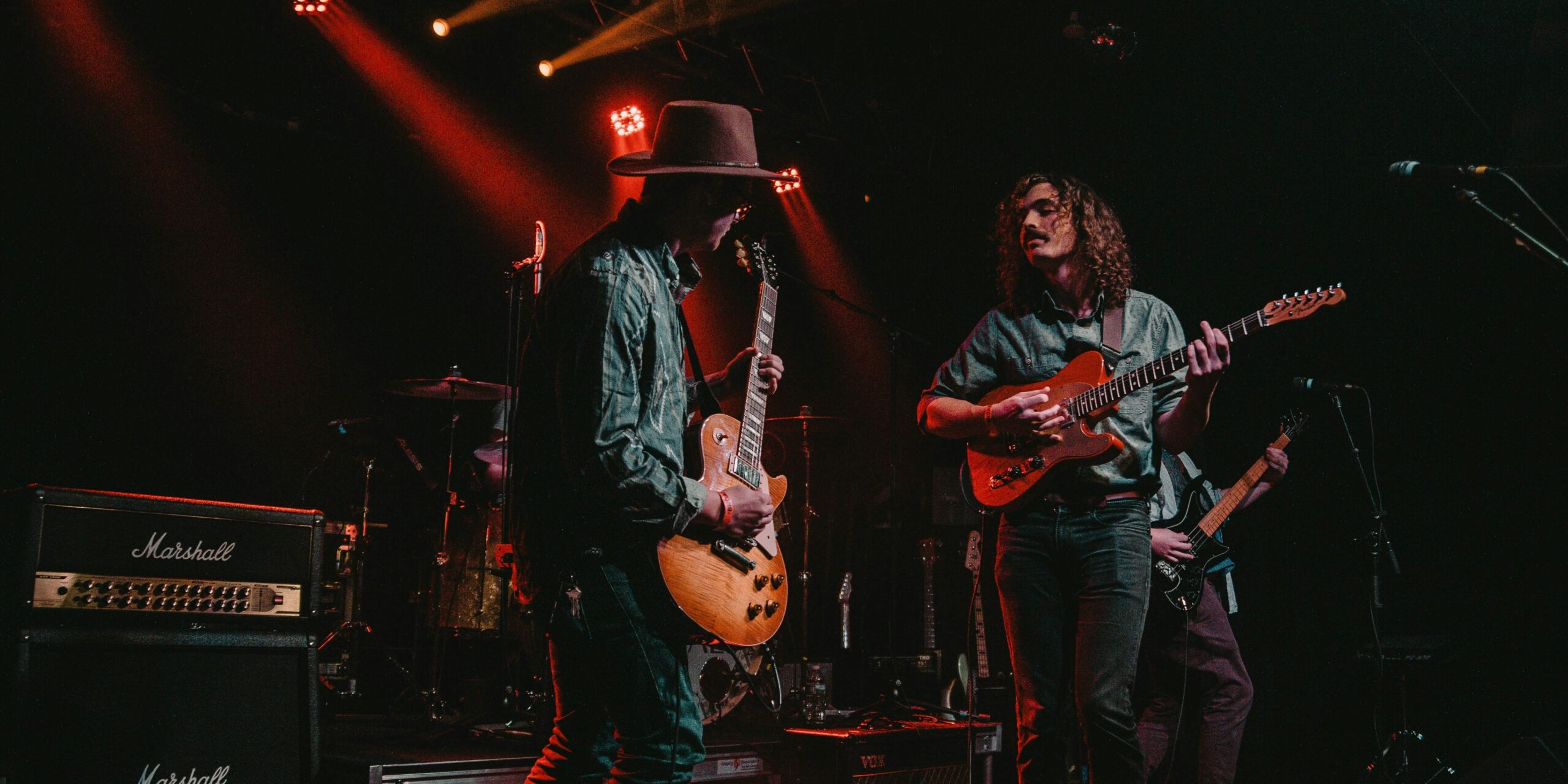
On a lively winter evening that showcased the enduring power of performance and community, music fans from coast to coast enjoyed an impressive variety of live concerts and events on January 13, 2026. From the historic theaters of Manhattan to the storied clubs of Los Angeles, artists of all stripes took to the stage, reaffirming live music’s central role in American cultural life. Across genres and venues large and small, the night offered something for long‑time aficionados and new audiences alike, illustrating how the nation’s music scene continues to rebound and flourish following years of shifting industry dynamics and changing audience habits.
In New York City, audiences descended on landmark music venues that have long served as hubs of artistic expression. At the Hammerstein Ballroom, a venue with a legacy of hosting electrifying performances, concertgoers packed the floor and balcony seats for a dynamic show that blended established touring acts with special guest appearances. The energy in the room was palpable as fans sang along to familiar hits and discovered new material from artists who are rapidly gaining attention on streaming platforms and festival circuits alike.
Just a short subway ride away, the intimate Blue Note Jazz Club offered a contrasting but equally compelling experience. Known for its deep roots in jazz history, the Blue Note presented an evening of improvisational brilliance featuring a lineup of seasoned jazz ensembles. Soloists and groups alike drew from bebop, fusion, and contemporary jazz influences, demonstrating the genre’s evolving nature while honoring its rich legacy. Patrons sipping cocktails in the club’s cozy atmosphere reveled in the spontaneity of each performance, many noting that live jazz remains a uniquely immersive form of musical storytelling.
Elsewhere in Manhattan, smaller stages buzzed with emerging talent and genre‑defying acts. Indie rock bands, folk‑inspired singer‑songwriters, and experimental electronic performers filled clubs and theaters, attracting audiences eager to experience the next wave of musical innovation. These shows, while perhaps less high‑profile than those at larger venues, underscored the city’s reputation as a fertile ground for artists pushing creative boundaries and building dedicated fanbases one night at a time.
The live music momentum was not confined to New York. On the West Coast, Los Angeles hosted its own array of standout performances that highlighted the breadth of musical expression thriving across the United States. At the legendary Troubadour, a venue that has seen the early careers of countless iconic artists, fans gathered for a night that blended nostalgia with fresh talent. Established acts revisited beloved songs while sharing new singles and engaging with audiences through stories and spontaneous moments between tracks. The sense of connection between performer and listener — a hallmark of the Troubadour experience — was evident in every cheers and chorus sung back by the crowd.
Nearby, the Fonda Theatre welcomed audiences into its historic space for a night that emphasized intimacy and artistic vulnerability. Singer‑songwriters performed stripped‑down sets, relying on lyrical depth and emotional resonance rather than pyrotechnics or elaborate production. In these acoustic‑driven performances, attendees found a rare closeness to the musicians, an atmosphere that many described as both reflective and rejuvenating. Songs about love, loss, resilience and hope seemed to take on extra meaning in this setting, reminding listeners why live shows remain a powerful conduit for shared experience.
Beyond the major cultural hubs, venues across cities like Chicago, Nashville, Austin and Miami hosted their own energetic shows, contributing to a nationwide celebration of live music. From blues and country to hip‑hop and world music, the diversity of performances illustrated not only the range of American musical tastes but also the deep roots of performance traditions in local communities. Outdoor spaces in milder climates welcomed street musicians and pop‑up events that drew families and casual listeners, adding another layer to the nation’s live music tapestry that night.
Music industry observers note that the strong turnout and broad geographic spread of shows on January 13 reflects a broader resurgence in live entertainment. Following a period in which touring faced disruption and audiences hesitated to return to crowded venues, the current season has been marked by renewed enthusiasm for in‑person experiences. Artists of all levels — from stadium headliners to club‑circuit favorites — are increasingly incorporating live dates into their annual plans, reinforcing the idea that concerts and festivals remain central to how music is shared and enjoyed.
Fans, too, have embraced the return of live performance with vigor. Social media feeds from the evening were filled with clips of standout moments, from impassioned solos and surprise collaborations to crowd‑swaying anthems and heartfelt encores. For many attendees, the ability to gather with others and witness artists perform in real time created memories that streaming at home simply does not replicate. Whether it was the roar of applause echoing through a grand theater or the hushed delight of a softly played ballad in a small club, the human element of live music stood out as the defining theme of the night.
As the calendar turned to January 14 and the final encores faded, the collective sentiment from performers and audiences alike was one of optimism. The breadth of live music on display — spanning genres, cities and audiences — suggested that the art form’s revitalization is not confined to any single scene but is part of a broader cultural pulse. Musicians and fans are looking ahead to more tours, more shared nights under the lights, and more moments that remind people why live music continues to captivate the hearts of communities across the country.
Read Also: https://artisthighlight.com/golden-globe-awards-celebrate-musics-role-in-storytelling/
