
Coachella 2026 Launches with Global Artists and Immersive Performances
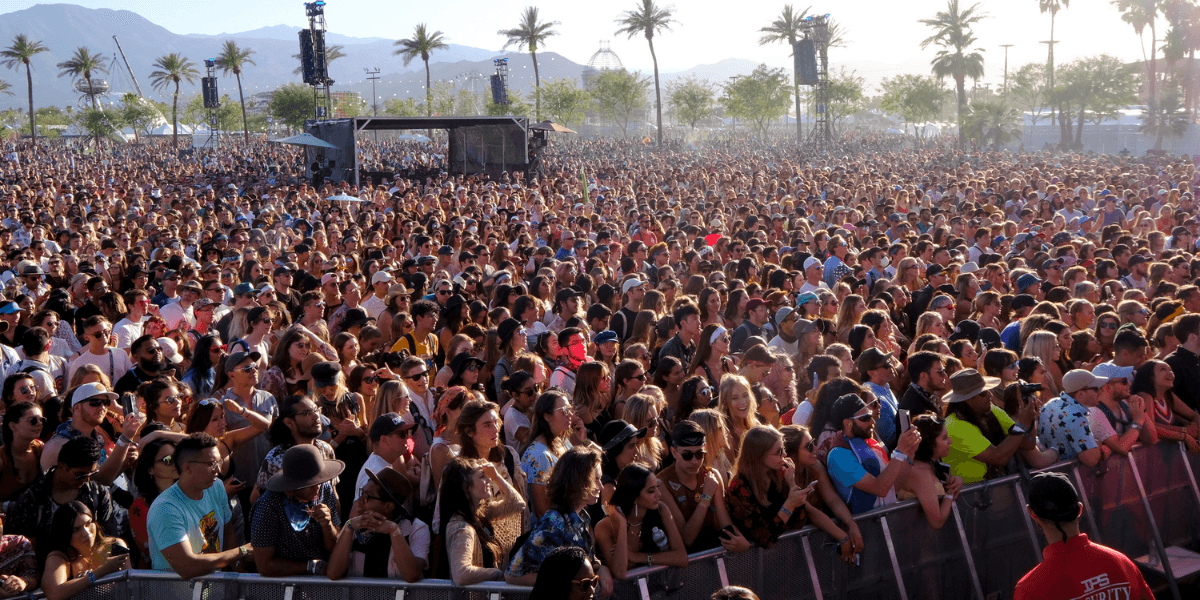
One of the most anticipated cultural events in the United States is officially underway, as the Coachella Valley Music and Arts Festival opened its 2026 season this week in Indio, California. Known for shaping global music trends and spotlighting both major headliners and emerging talent, this year’s festival is drawing attention for its diverse lineup, cross-genre collaborations, and innovative stage design.
Organized by Goldenvoice, Coachella has evolved far beyond a traditional music festival. It now serves as a cultural hub where music, visual art, fashion, and digital media intersect. The 2026 edition continues that tradition, featuring large-scale art installations, interactive exhibits, and curated experiences that reflect the evolving relationship between technology and creativity.
A Lineup Blending Icons and Emerging Voices
This year’s lineup includes globally recognized performers alongside rising artists who are gaining traction across streaming platforms and independent circuits. Festival organizers emphasized a deliberate effort to balance established acts with emerging voices, ensuring that audiences experience both familiarity and discovery.
Among the standout performers are genre-defying artists who blend elements of pop, electronic, hip-hop, and alternative music. Industry analysts note that Coachella’s booking strategy often signals broader trends in the music industry, particularly in how artists experiment with sound and collaborate across genres.
Emerging artists, in particular, are benefiting from increased visibility. Smaller stages and curated showcases provide opportunities for new performers to reach large, diverse audiences. For many, a Coachella appearance can serve as a turning point, elevating their careers and expanding their global reach.
Immersive Visual Art Takes Center Stage
In addition to music, Coachella 2026 is placing a strong emphasis on visual art and immersive design. The festival grounds feature installations created by international artists, blending sculpture, light, and digital projection. These works are not only visually striking but also interactive, encouraging attendees to engage directly with the art.
Curators have highlighted a growing trend toward experiential art, where the audience becomes part of the creative process. This approach reflects broader shifts in contemporary art, where participation and immersion are becoming central elements of artistic expression.
Several installations incorporate augmented and projection-based elements, demonstrating how digital tools are expanding the possibilities of large-scale art. These features align with the festival’s reputation for pushing creative boundaries and integrating new technologies into cultural experiences.
Film, Media, and Cross-Platform Storytelling
Beyond live performances and installations, Coachella continues to expand its footprint in film and media. The festival includes curated screenings, artist-led visual projects, and behind-the-scenes documentaries that offer insight into the creative process.
This year’s programming highlights the increasing overlap between music and visual storytelling. Artists are using film and digital media to extend their narratives beyond the stage, creating cohesive creative identities that span multiple platforms.
Industry observers point out that this trend reflects changes in audience consumption habits. Fans are engaging with artists not only through music but also through visual content, social media, and live-streamed performances. Festivals like Coachella are adapting by offering multidimensional experiences that resonate across these channels.
Cultural Impact and Industry Significance
Coachella’s influence extends far beyond its two-weekend schedule. The festival has long been a trendsetter in music, fashion, and cultural expression. From viral performances to breakout artists, moments from the event often shape conversations across the entertainment industry for months to come.
The 2026 edition is expected to continue this pattern, particularly as artists experiment with new formats and collaborative performances. The integration of digital elements, immersive art, and cross-platform storytelling signals a broader evolution in how cultural events are produced and experienced.
For the music industry, Coachella serves as both a showcase and a testing ground. Artists debut new material, experiment with stage design, and gauge audience reactions in real time. For emerging talent, it offers a rare opportunity to perform alongside established names, accelerating their growth and exposure.
Key Takeaways for Readers
Coachella 2026 highlights the ongoing transformation of cultural events into immersive, multidisciplinary experiences. The festival underscores the importance of emerging artists in shaping the future of music while demonstrating how technology and visual art are redefining live entertainment. As audiences continue to seek more interactive and engaging experiences, events like Coachella are setting the standard for what modern cultural festivals can achieve.

Artist Highlight Contributor
Covers live culture and emerging artists, tracking the galleries, festivals, and stages where new work arrives first.
This article features partner, contributor, or branded content from a third party. Members of the Artist Highlight editorial staff were not involved in the creation of this content. All views and opinions are those of the contributor alone.
You May Also Like
American Symphony Orchestra’s “New York Resounds” Finds Power in Reflection and Resilience
Jhené Aiko Returns With Westside Whimsy, Her First Album in Six Years

NextNOW Fest 2026 Opens at University of Maryland With a Week of Art, Music and Creative Experiences
Florida Indie Band Shy Blossom Steps Into the Spotlight With “Eternity”
Zach Randles-Friedman Makes Queer Stories Feel Human