
Beck’s Ride Lonesome Finds Beauty In Solitude Through A Rich Return To Reflective Folk Rock
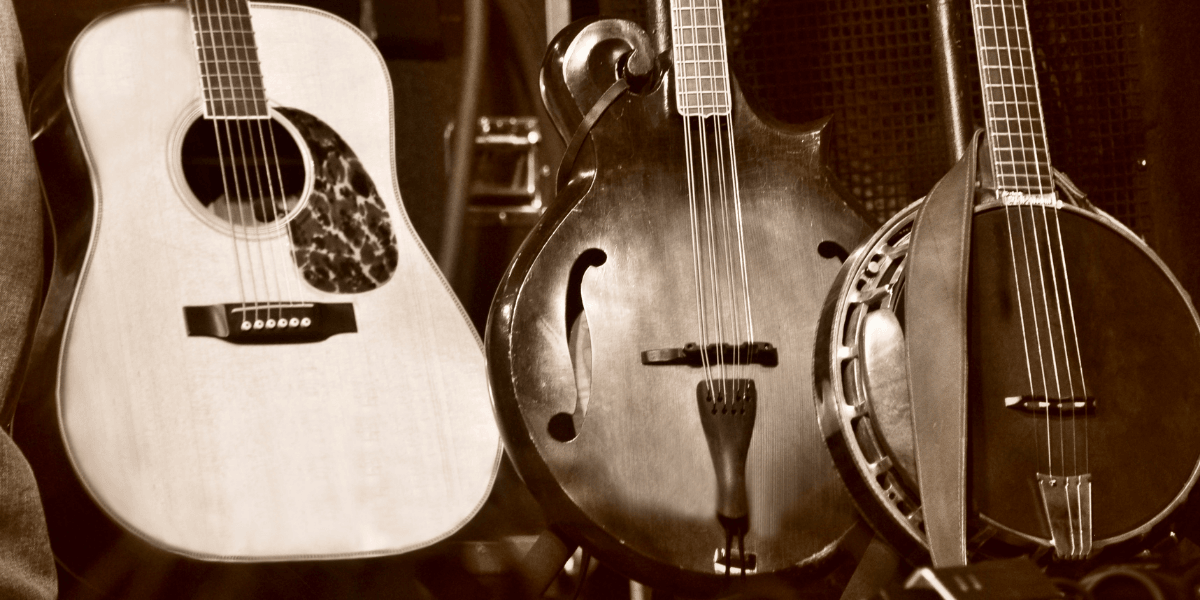
Beck returns to reflective folk rock on Ride Lonesome, a 12 song album shaped by acoustic textures, strings, solitude, and restraint.
There is a particular kind of silence that arrives after something important has ended. On "Ride Lonesome," Beck does not rush to fill that space. Instead, he settles into it, allowing acoustic guitars, restrained percussion, strings, and his weathered vocal delivery to carry an album built around reflection. Released September 18, 2026, through Capitol Records, "Ride Lonesome" is Beck's first album of entirely new material since "Hyperspace" in 2019. Rather than returning with a dramatic reinvention, he looks toward the intimate musical language that shaped some of the most contemplative work of his career.
Beck Ride Lonesome Returns To Familiar Ground
For listeners familiar with Beck's catalog, the connection between "Ride Lonesome," 2002's "Sea Change," and 2014's "Morning Phase" is difficult to miss. The new record reunites Beck with musicians associated with those albums, including Joey Waronker, Justin Meldal Johnsen, Smokey Hormel, Roger Joseph Manning Jr., and Jason Falkner. Beck produced the album, while longtime collaborator Nigel Godrich handled the mix.
That continuity matters because "Ride Lonesome" depends less on surprise than atmosphere. Across 12 tracks, Beck builds a spacious form of folk rock where individual instrumental details are allowed to linger. Acoustic guitar frequently provides the foundation, while piano, pedal steel, electric guitar, percussion, and orchestral elements deepen the mood without completely overwhelming it.
The opening title track immediately establishes that approach. "Ride Lonesome" unfolds patiently, introducing the record as a journey through isolation rather than an attempt to escape it. Beck's performance is controlled and understated, giving the arrangement room to communicate as much as the words.
"Run Away" continues the reflective tone while bringing percussion more prominently into the picture. Instead of turning the album toward conventional rock, the drums create contrast against its quieter textures. That balance between intimacy and scale becomes one of the record's defining characteristics.
Small Details Give The Album Its Character
The strongest moments on "Ride Lonesome" often come from arrangement rather than spectacle. "Failed Words" places piano near the center of a larger atmospheric production, while "For Your Love" uses strings to broaden the emotional landscape. Elsewhere, "Falling Through My Hands" brings psychedelic color into the album's otherwise earthy palette.
Those choices reveal why the record rewards focused listening. Its songs do not compete for attention with oversized hooks or abrupt stylistic changes. Instead, they develop gradually. A guitar phrase, a shift in percussion, or an orchestral layer can change the emotional temperature of a track without dramatically altering its structure.
That restraint also gives Beck's voice an important role. He rarely sounds interested in proving what he can do technically. His delivery is measured and sometimes fragile, matching music concerned with distance, memory, and uncertainty.
The album was recorded at United Studios and Beck's Pink Noise studio. David Campbell, Beck's father and a longtime arranger, contributed string arrangements, adding another layer of continuity to a musical partnership that has helped shape previous Beck recordings.
Familiarity Is Both A Strength And A Challenge
"Ride Lonesome" is unlikely to surprise listeners hoping for the genre collisions associated with records such as "Odelay" or "Midnite Vultures." Beck has spent much of his career moving between musical identities, from alternative rock and electronic pop to folk, funk, blues, and experimental production. Here, he deliberately stays within a narrower landscape.
That familiarity can occasionally make the album feel almost too comfortable in its melancholy. The production is polished, the performances are precise, and the arrangements consistently support the same reflective atmosphere. Listeners looking for dramatic changes in pace may find its deliberate tempo demanding.
Yet consistency is also part of the record's appeal. "Ride Lonesome" is not trying to recreate the restless energy of Beck's earlier career. It presents an artist working carefully within a sound he understands deeply.
That distinction is important. Returning to a familiar style does not automatically mean repeating the past. The musicians may be familiar and the sonic connections clear, but the perspective is different. Beck is now decades removed from the artist who emerged during the alternative music explosion of the 1990s. The measured quality of these performances reflects that passage of time.
Ride Lonesome Works Best As A Complete Journey
The album's sequencing reinforces its sense of movement. Beginning with the title track and continuing through songs including "In The Night," "Bleed," "Disappearing Act," "Slow Canyon," and "It Ends Right Here," the record maintains a coherent emotional environment before reaching the closing track, "Beyond The Light."
Rather than functioning simply as a collection of potential singles, "Ride Lonesome" benefits from being heard as a complete album. Themes, textures, and instrumental choices repeat and develop across the track list, creating continuity from the opening moments to the final song.
For listeners who connected with the quieter side of Beck's catalog, that approach is likely to be the main attraction. The album favors patience over immediacy and detail over spectacle.
Beck Finds Power In Restraint
"Ride Lonesome" ultimately succeeds because it understands what kind of record it wants to be. Beck does not chase contemporary production trends or attempt to disguise the musical history behind these songs. Instead, he returns to acoustic songwriting and richly layered arrangements with the perspective of an artist who has spent decades moving between styles.
The result is a subdued record with considerable depth beneath its calm surface. It may feel familiar, particularly to longtime listeners, but its strongest passages demonstrate how much can still be accomplished through careful arrangements, expressive musicianship, and restraint.
For listeners drawn to atmospheric folk rock, detailed studio production, and albums designed to unfold gradually, "Ride Lonesome" offers a thoughtful addition to Beck's catalog. It is best experienced without rushing, allowing its quieter details to reveal themselves one song at a time.

Artist Highlight Contributor
Covers live culture and emerging artists, tracking the galleries, festivals, and stages where new work arrives first.
This article features partner, contributor, or branded content from a third party. Members of the Artist Highlight editorial staff were not involved in the creation of this content. All views and opinions are those of the contributor alone.
You May Also Like

Forgotten Island Brings Filipino Folklore And Friendship To The Big Screen
Gregory Porter Brings Jazz And Soul To New York For The 2026 Oneness Festival

2026 iHeartRadio Music Festival Brings Generations Of Music Together In Las Vegas

Astrid C. Paints The Strength Behind Silence

From 33 to 33.AI: Sujata Bajracharya Blends Creativity and AI in a New Musical Chapter