SF Music Day 2026 Celebrates Musical Diversity With 95 Artists And Free Performances In San Francisco
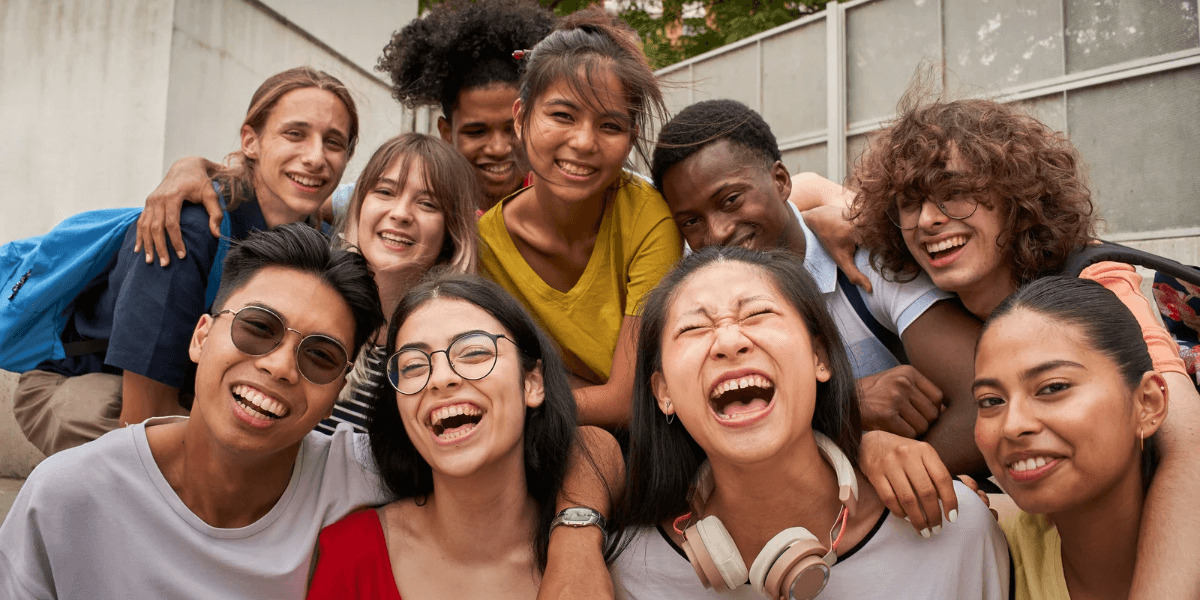
SF Music Day 2026 brings 95 artists and 20 ensembles together on October 25 for a free celebration of classical, jazz, and global music.
SAN FRANCISCO, October 25, 2026. The sound of classical strings, experimental saxophones, Latin rhythms, and traditional folk music formed the foundation of a major cultural gathering in San Francisco on Sunday. SF Music Day 2026 returned for its 19th edition, bringing together 95 musicians across 20 ensembles for an afternoon dedicated to musical discovery. Hosted at the San Francisco War Memorial and Performing Arts Center, the event offered audiences an opportunity to experience diverse musical traditions without the barrier of admission fees.
Organized by InterMusic SF, the festival was scheduled from noon until 6 p.m., featuring more than six hours of continuous live music. The return of free admission was a central feature of the 2026 edition, reflecting the organization's commitment to making live performances accessible to the wider community. From established chamber musicians to experimental performers and culturally rooted ensembles, the program highlighted the remarkable range of talent within the San Francisco Bay Area.
SF Music Day 2026 Brings Diverse Musical Traditions Together
One of the defining characteristics of SF Music Day is its commitment to presenting different musical styles within a shared cultural environment.
The 2026 program featured classical music, soul jazz, bluegrass, Latin music, experimental compositions, and Filipina folk traditions.
Rather than limiting the festival to a single genre, organizers created a program that encouraged audiences to explore unfamiliar sounds alongside established favorites.
The San Francisco Chamber Orchestra was among the participating ensembles, contributing a connection to the region's classical music tradition.
Latin music group Bululú also appeared in the announced lineup, representing another important dimension of the Bay Area's musical diversity.
These contrasting styles reflected the festival's broader artistic purpose.
By placing musicians from different traditions within the same program, SF Music Day demonstrated how live performance can encourage cultural appreciation and artistic curiosity.
Rova Saxophone Quartet Highlights Experimental Music
The participation of the Rova Saxophone Quartet brought an important experimental element to the festival.
Known for its adventurous approach to composition and improvisation, the ensemble has played a significant role in contemporary saxophone performance.
Its work explores unconventional musical structures, collaborative improvisation, and the expressive possibilities of multiple saxophones performing together.
Unlike traditional ensembles that rely primarily on established arrangements, experimental groups often incorporate spontaneous musical decisions into their performances.
This approach creates opportunities for musicians to respond directly to one another, producing interpretations that may change from one performance to the next.
The quartet's inclusion reflected SF Music Day's willingness to present music that challenges conventional expectations.
For audiences interested in contemporary composition, such performances provide insight into how established instruments can be used in new and imaginative ways.
Dutt Campbell Duo Makes Its World Debut
Another notable feature of the 2026 program was the announced world debut of the Dutt Campbell Duo.
The collaboration brought together violist Hank Dutt and pianist Kate Campbell, two musicians with extensive experience in performance and contemporary music.
Dutt is recognized for his previous work with the Kronos Quartet, an influential ensemble known for expanding the repertoire and creative possibilities of string quartet music.
Campbell has established a career as a pianist whose work includes contemporary compositions and collaborations with other performers.
Their new partnership represented an opportunity to explore the relationship between viola and piano through a fresh musical collaboration.
The debut also demonstrated the festival's role as a platform for artistic development.
Rather than focusing exclusively on established groups, SF Music Day provided space for musicians to introduce new creative partnerships to the public.
Filipina Folk Music And Global Sounds Enrich The Festival
The 2026 lineup also featured The Sampaguitas, contributing to the event's celebration of culturally diverse musical traditions.
Their participation placed Filipina folk music within a program that included classical, jazz, and experimental performances.
Traditional music plays an important role in preserving cultural identity and communicating stories across generations.
When presented alongside contemporary musical styles, it can also encourage audiences to recognize connections between different forms of artistic expression.
The festival's inclusion of musicians representing various cultural backgrounds reflected the diversity of the San Francisco Bay Area.
Other participating performers included the Sundra Manning Organ Quintet and Cornelius Boots, adding further variety to the program.
Together, these artists illustrated how a regional music festival can represent numerous creative communities without requiring them to share a single musical approach.
Why Free Admission Matters For Performing Arts
The return of free admission was one of the most meaningful aspects of SF Music Day 2026.
Ticket prices can influence whether individuals and families have opportunities to attend live cultural events.
By removing the admission cost, the festival made its performances available to a broader audience.
This approach also created opportunities for people who might not regularly attend chamber music concerts or experimental performances.
A visitor drawn to a familiar musical style could discover an entirely different ensemble during the same afternoon.
For participating musicians, the format offered exposure to listeners with varied interests and backgrounds.
The event therefore supported both audience development and artistic visibility.
Its public accessibility reinforced the idea that live music can serve as a shared cultural resource rather than an experience limited to particular audiences.
SF Music Day Demonstrates The Strength Of Local Musical Communities
The festival's 19th edition highlighted the importance of organizations that support independent musicians and smaller performing ensembles.
Large concerts often attract attention through internationally recognized performers, but regional music communities depend on a much wider network of artists.
Chamber ensembles, improvisers, composers, and traditional musicians contribute to the cultural identity of their cities through regular performances and creative collaboration.
SF Music Day brought these contributions into a shared public setting.
The participation of 95 artists across 20 ensembles demonstrated the breadth of the announced program and the value of providing a platform for different musical disciplines.
It also illustrated how established performers and newer collaborations can contribute to the same artistic celebration.
Discover The Creative Spirit Behind SF Music Day 2026
The October 25 edition of SF Music Day offered a compelling example of how music can connect audiences through creativity, tradition, and shared experience.
From the experimental approach of the Rova Saxophone Quartet to the debut of the Dutt Campbell Duo, the program reflected the continuing evolution of live instrumental performance.
The inclusion of classical, Latin, jazz, and Filipina folk music also demonstrated the importance of cultural variety within a regional arts community.
For music enthusiasts interested in discovering new performers, the festival's participating ensembles provide a valuable starting point for exploring the Bay Area's creative landscape.
SF Music Day 2026 ultimately highlighted a simple but important idea: meaningful musical experiences can emerge when artists from different backgrounds are given opportunities to share their work with the public.

Artist Highlight Contributor
Covers music and the artists behind it, from studio craft to the release that finally breaks through.
This article features partner, contributor, or branded content from a third party. Members of the Artist Highlight editorial staff were not involved in the creation of this content. All views and opinions are those of the contributor alone.
You May Also Like

Bauhaus Audio Studio: Where Old Grooves Meet New Vibes
Sykemen Shapes A Distinct Musical Identity Through Two Emerging Singles
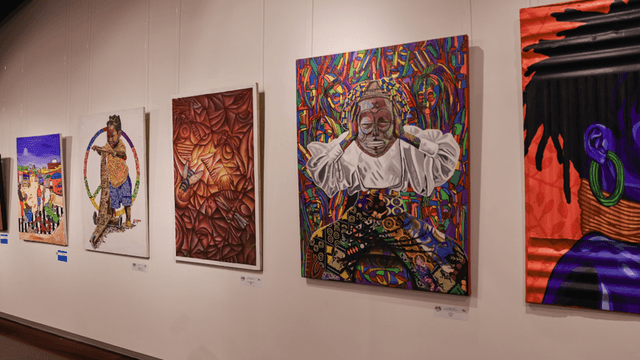
Seitu K. Jones Celebrates Art, Nature, And Community With A New Exhibition At The Minnesota Museum Of American Art

Maestro Makes Its World Premiere At The New Orleans Film Festival, Celebrating The Power Of Music
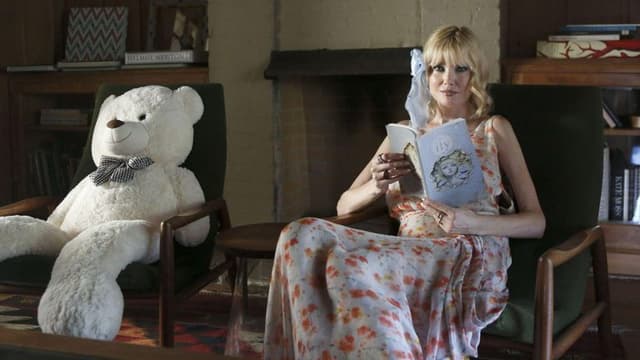
Beyond the Image: Eugenia Kuzmina Reveals Her Most Personal Work Yet with ILY