
The Frick Collection Opens Siena Bronze Exhibition In New York, Revealing Renaissance Artistry And Innovation
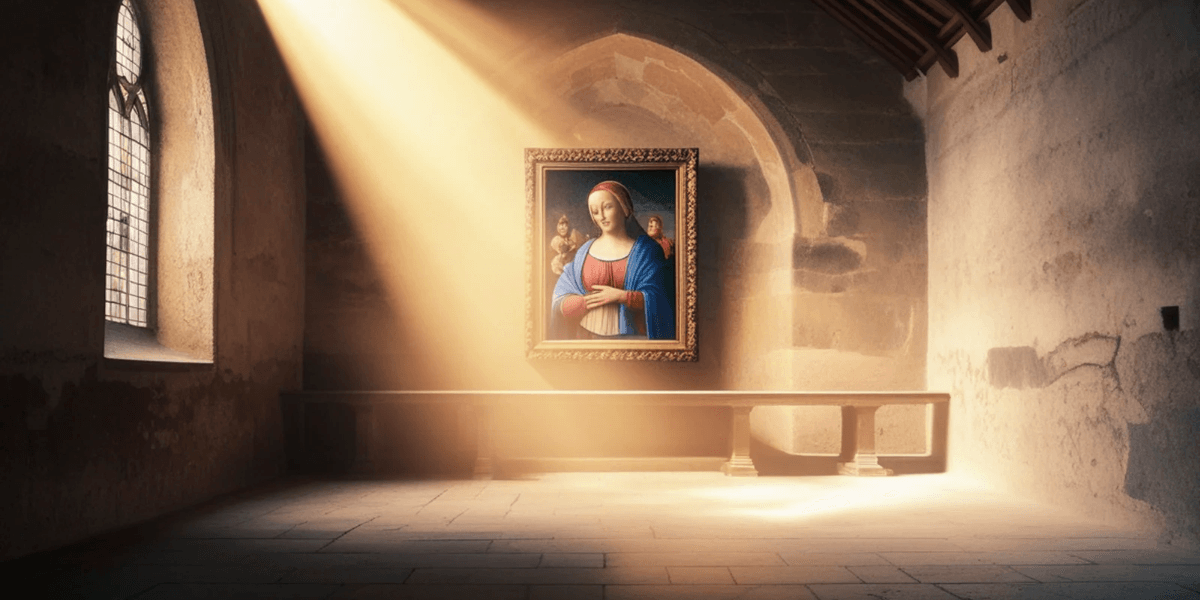
The Frick Collection opens a Renaissance bronze exhibition October 15, 2026, showcasing Siena's artistic legacy and remarkable craftsmanship.
NEW YORK, October 15, 2026. A small bronze sculpture can reveal a remarkable amount about the people who created it. Its surface preserves decisions about form, movement, and detail, while its material reflects the technical knowledge of an earlier age. That relationship between art and craftsmanship takes center stage at The Frick Collection in New York City with the opening of Siena: The Art of Bronze, 1450 to 1500, an exhibition dedicated to the achievements of Renaissance sculptors working in the Italian city of Siena.
Opening October 15, 2026, and scheduled to continue through January 18, 2027, the exhibition brings together nearly 40 bronze sculptures. Featured artists include Donatello, Vecchietta, and Francesco di Giorgio, whose work helps illuminate Siena's contribution to the development of Renaissance sculpture. The presentation invites visitors to examine an artistic tradition in which technical skill and visual imagination worked closely together.
Siena Bronze Exhibition Brings Renaissance Craftsmanship Into Focus
During the fifteenth century, Italian artists explored new approaches to representing the human figure, expressing movement, and creating convincing forms. Sculpture played an important role in these developments, offering opportunities to experiment with volume, proportion, and surface detail.
Bronze was especially valuable because it could preserve intricate forms while providing strength and durability. However, producing a successful bronze sculpture required considerable planning and technical knowledge.
Artists had to consider how a design would translate into metal, how details would appear after casting, and how the finished object would communicate its intended subject.
The Siena bronze exhibition places these questions at the center of the viewing experience. Rather than treating sculpture simply as decoration, it encourages audiences to recognize the complex process behind each finished work.
Donatello And Siena's Influential Renaissance Artists
The inclusion of Donatello, Vecchietta, and Francesco di Giorgio gives the exhibition a strong connection to the artistic developments of fifteenth century Italy.
Donatello remains one of the most influential sculptors of the early Renaissance. His work helped transform the representation of human expression and physical presence, demonstrating how sculpture could communicate emotion through carefully observed form.
Vecchietta, a prominent Sienese artist, worked across painting and sculpture. His artistic practice reflects the close relationship between different creative disciplines during the Renaissance.
Francesco di Giorgio also contributed to a wide range of artistic and technical fields. His interests included sculpture, architecture, and engineering, illustrating how Renaissance creativity often crossed boundaries between art and practical design.
Together, these figures provide a broader understanding of the artistic environment in which Siena's bronze tradition developed.
Their work also reminds contemporary audiences that creative innovation rarely belongs to a single discipline. Artists frequently draw upon knowledge from multiple fields to solve visual and technical problems.
Why Bronze Became An Important Renaissance Medium
Bronze offered Renaissance sculptors a distinctive combination of durability, detail, and expressive potential.
Unlike stone, which is shaped through carving, bronze sculptures are generally created through casting processes. These methods allow artists to develop complex forms in a model before transferring the design into metal.
The process requires an understanding of materials, temperature, molds, and finishing techniques. Even relatively small sculptures can involve several demanding stages of production.
For modern viewers, these details provide a useful way to appreciate historical artwork beyond its appearance.
A bronze figure is not only an artistic image. It is also evidence of experimentation, craftsmanship, and technical achievement.
By presenting nearly 40 works together, the exhibition offers opportunities to compare how different sculptors approached similar challenges and developed their individual artistic styles.
The Frick Collection Connects Historical Art With Modern Audiences
The Frick Collection is known for presenting European art in an environment that encourages close observation.
Its New York galleries provide a setting for visitors to examine works from different periods while considering the artistic and cultural circumstances surrounding their creation.
The Siena exhibition contributes to that mission by focusing attention on a specific city, medium, and historical period.
This approach offers an alternative to exhibitions that attempt to cover several centuries or numerous artistic movements at once.
By concentrating on bronze sculpture produced between 1450 and 1500, the presentation creates space for a more detailed examination of technique, artistic influence, and regional identity.
For students, artists, and cultural enthusiasts, this focused perspective can make Renaissance art more accessible and rewarding.
Why The October 15 Opening Matters For Art And Culture
The opening of Siena: The Art of Bronze, 1450 to 1500 adds another important exhibition to New York's autumn cultural calendar.
Its significance lies partly in the opportunity to examine works associated with an influential period of European artistic development.
Equally important, the exhibition directs attention toward Siena, a city whose creative achievements deserve consideration alongside those of other Renaissance centers.
The presentation also highlights the continuing relevance of traditional artistic techniques. Contemporary sculptors and designers still confront questions about material, structure, balance, and expression.
Although tools and production methods have changed, the relationship between creative vision and technical execution remains essential.
For audiences interested in art history, the exhibition offers a way to understand that relationship through surviving examples of Renaissance craftsmanship.
Explore Siena's Artistic Legacy At The Frick Collection
With the exhibition scheduled to remain on view until January 18, 2027, visitors have an opportunity to discover a focused selection of Renaissance bronze sculpture in New York City.
The presentation offers more than a survey of historical objects. It encourages closer attention to the decisions, skills, and creative ambitions that shaped their production.
For art enthusiasts and aspiring creators alike, Siena: The Art of Bronze, 1450 to 1500 offers a valuable reminder that artistic achievement often begins with the careful transformation of an idea into a lasting physical form.

Artist Highlight Contributor
Covers live culture and emerging artists, tracking the galleries, festivals, and stages where new work arrives first.
This article features partner, contributor, or branded content from a third party. Members of the Artist Highlight editorial staff were not involved in the creation of this content. All views and opinions are those of the contributor alone.
You May Also Like

Sykemen Shapes A Distinct Musical Identity Through Two Emerging Singles

Beyond the Image: Eugenia Kuzmina Reveals Her Most Personal Work Yet with ILY

The Hidden Cost of Cheap Permanent Makeup
French Elegance Meets Modern Home Sewing

Anne Powell Writes Romance That Lingers